






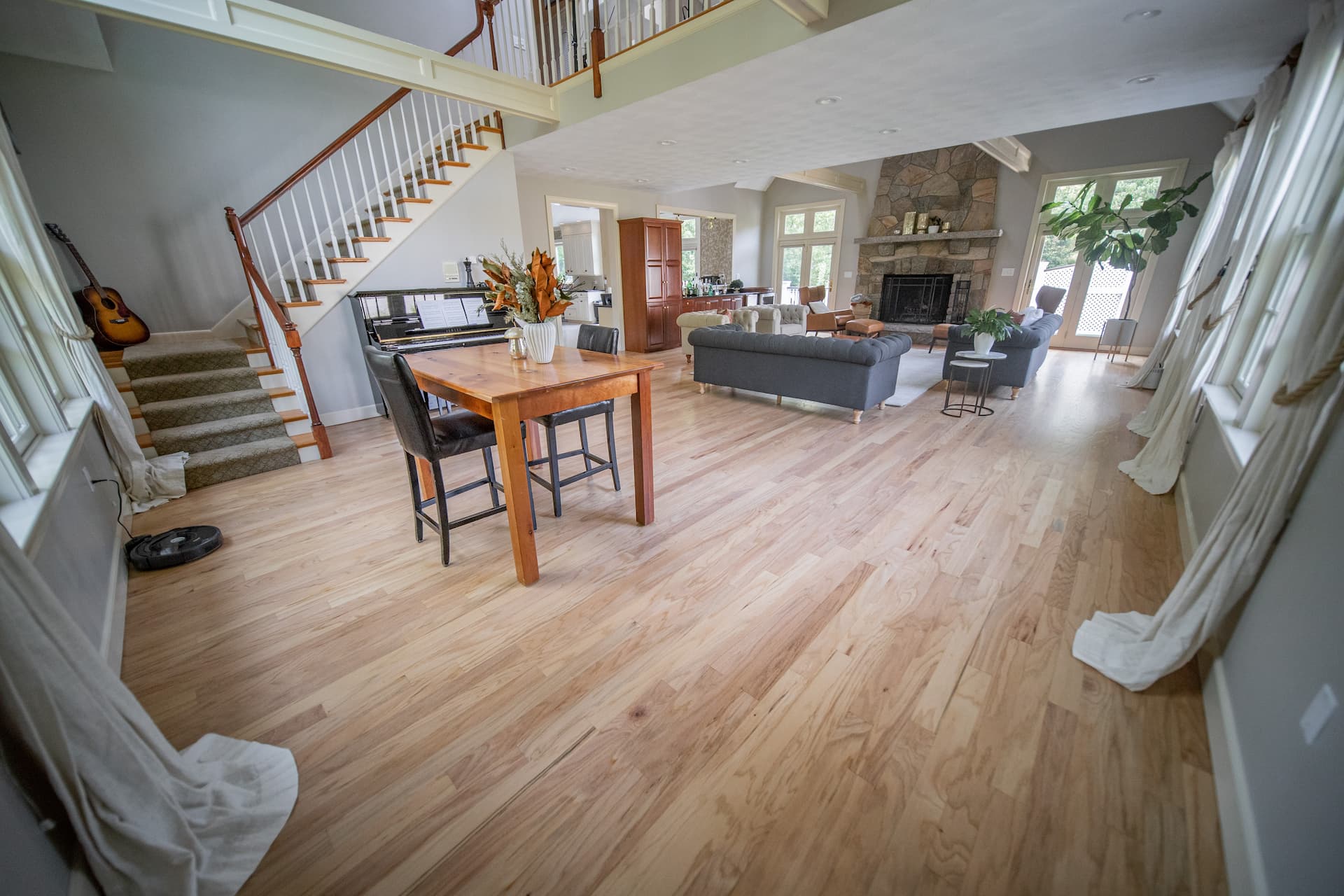
Ready to revive your Millyard loft or a classic North End home? Our NWFA-aligned team delivers dustless hardwood refinishing and precision hardwood installation built for New England’s seasons. Explore our before/after portfolio, learn about our craftsmanship standards.
Hardwood Flooring Installation & Refinishing — Manchester, NH
Most flooring companies bill dust extraction as an extra. On every Manchester, NH job it is already in the price. And if you need to stay in the house while we coat, Bona Traffic HD has your furniture back in three days, where an oil-based finish keeps you out for fourteen.
Free EstimateDustless sanding by default with HEPA 90-95% dust protection.
0% financing available for up to 12 months.
Certified by Lagler, Loba, Wakol, Bona, and American Sanders.
Dedicated project managers, in-house showroom, fully insured.
What Our Clients Say About Our Hardwood Floor Services
Portfolio and showroom
Portfolio
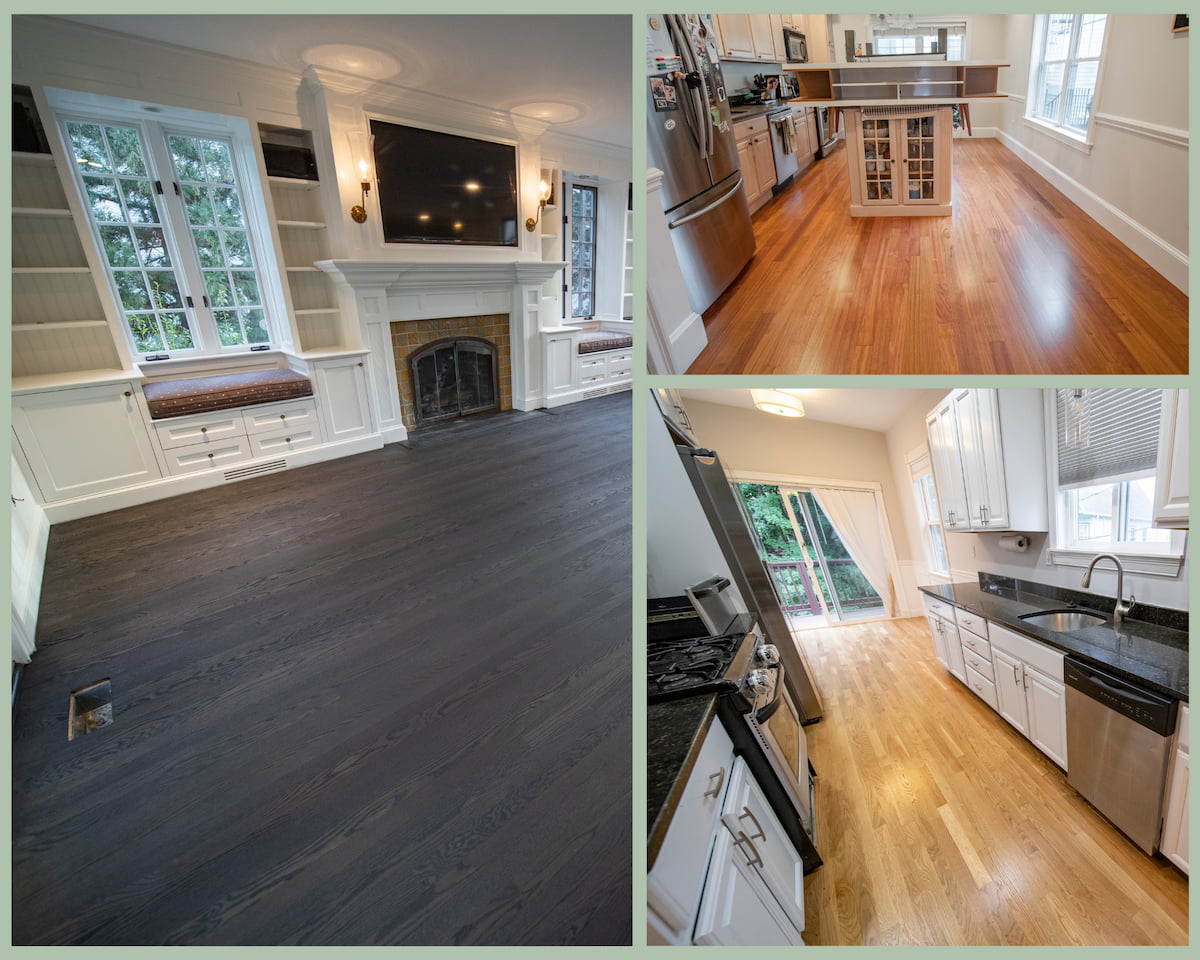
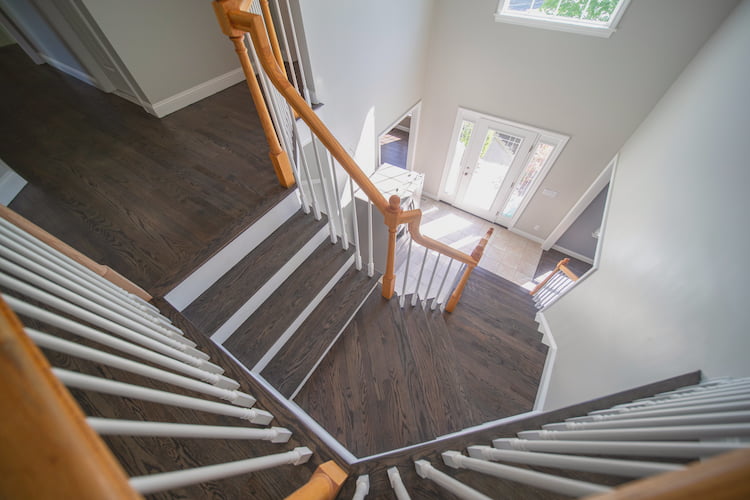
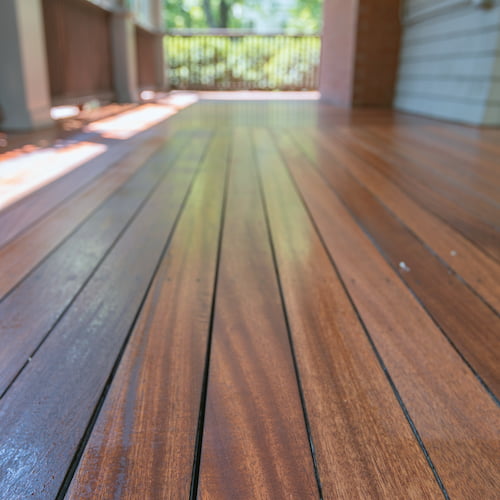
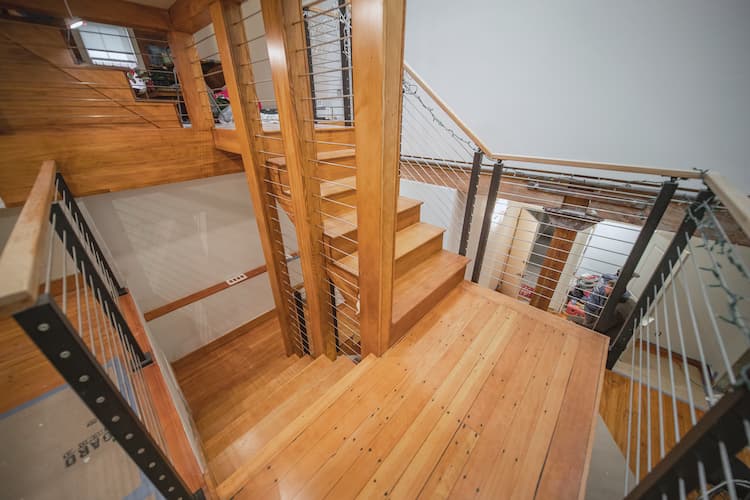
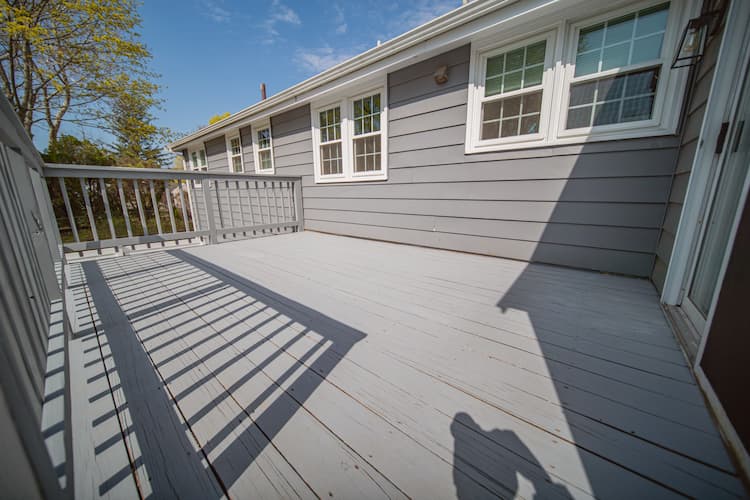
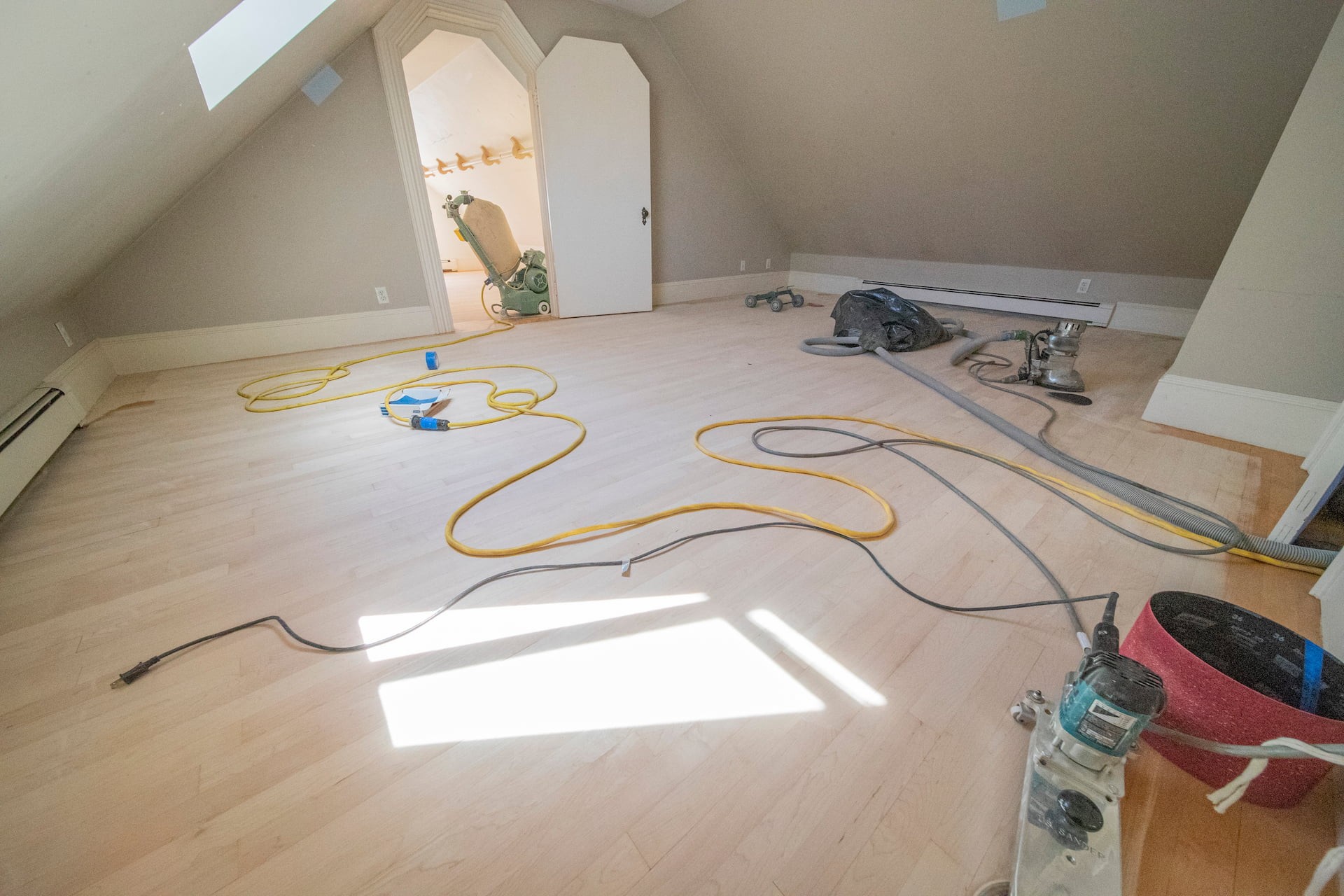
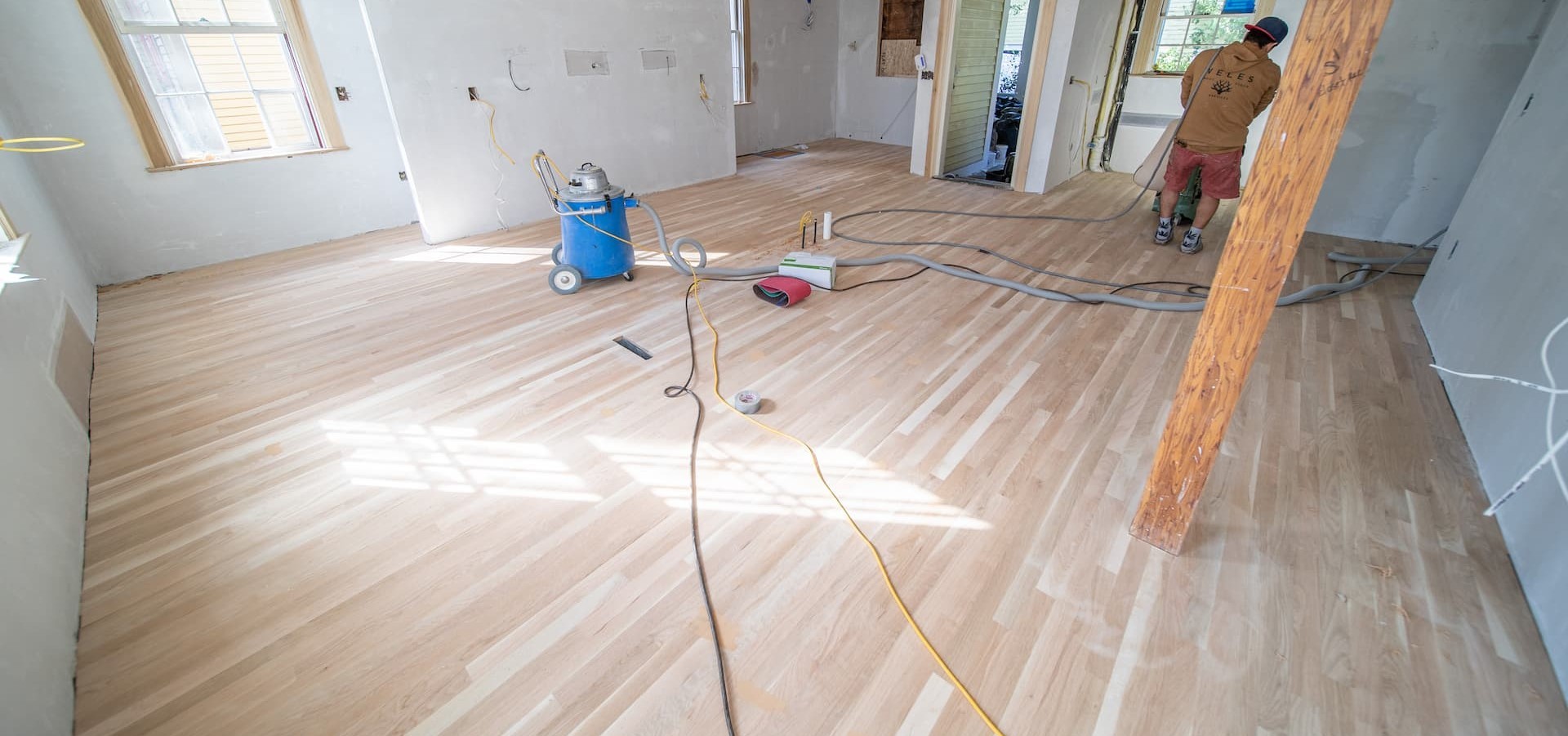
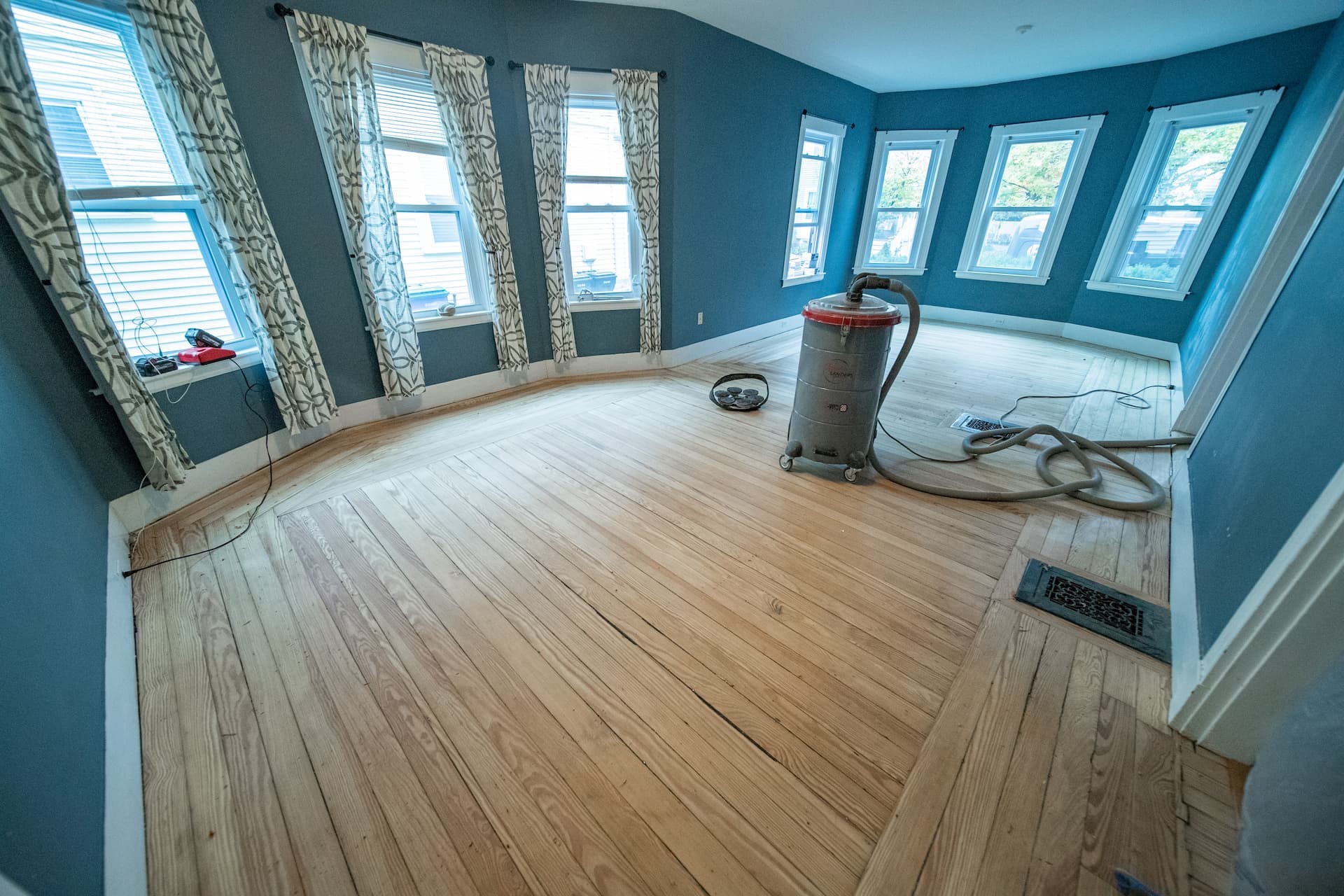
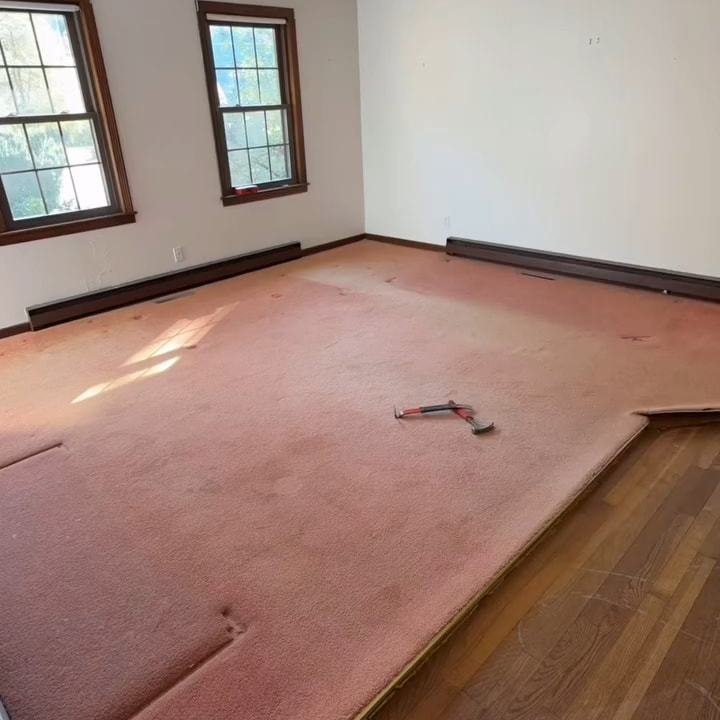
Finished floors from the Manchester, NH area and beyond, photographed on the job rather than bought from a stock library. Refinishing, new installation and stair work.
Showroom
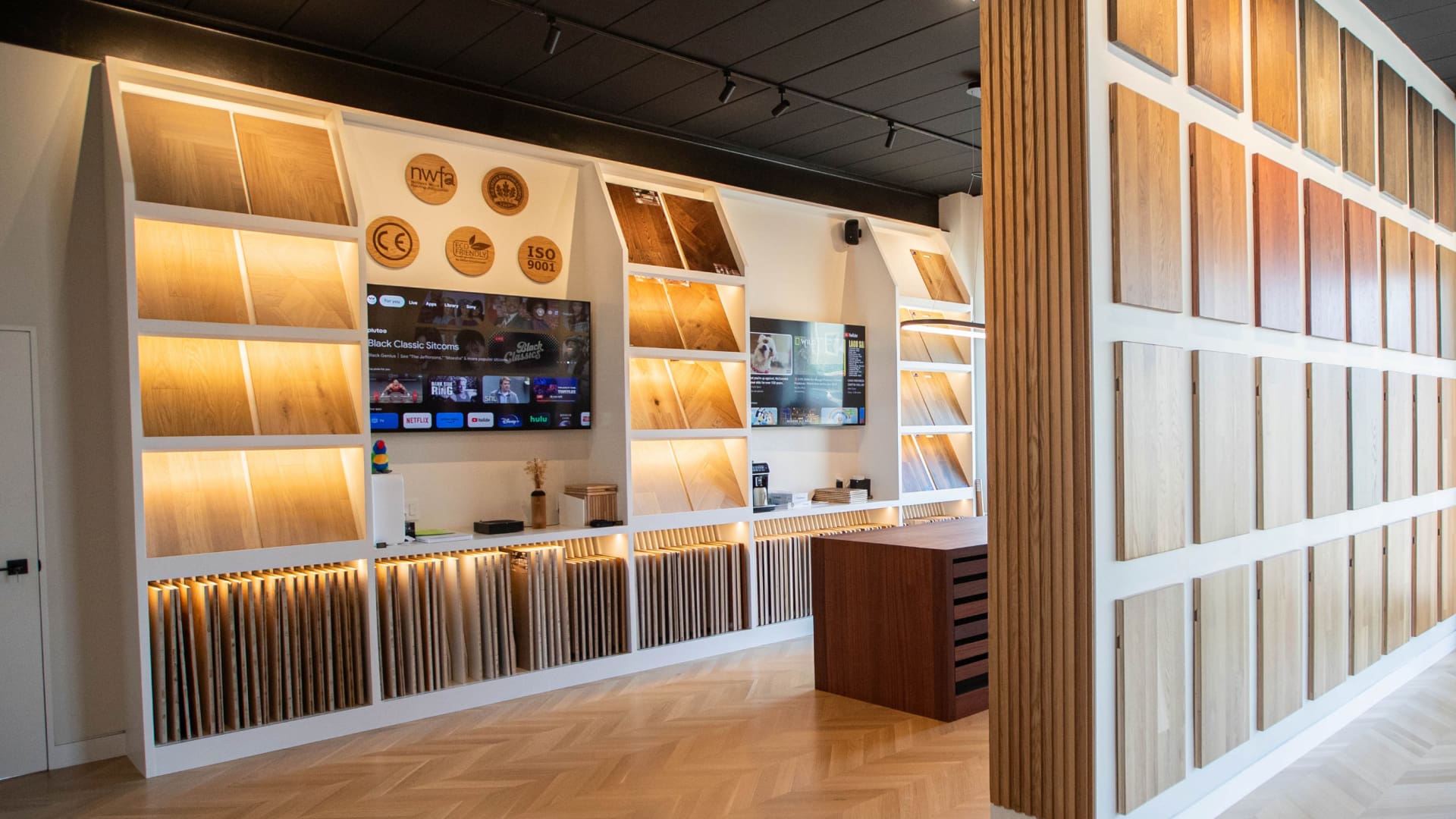
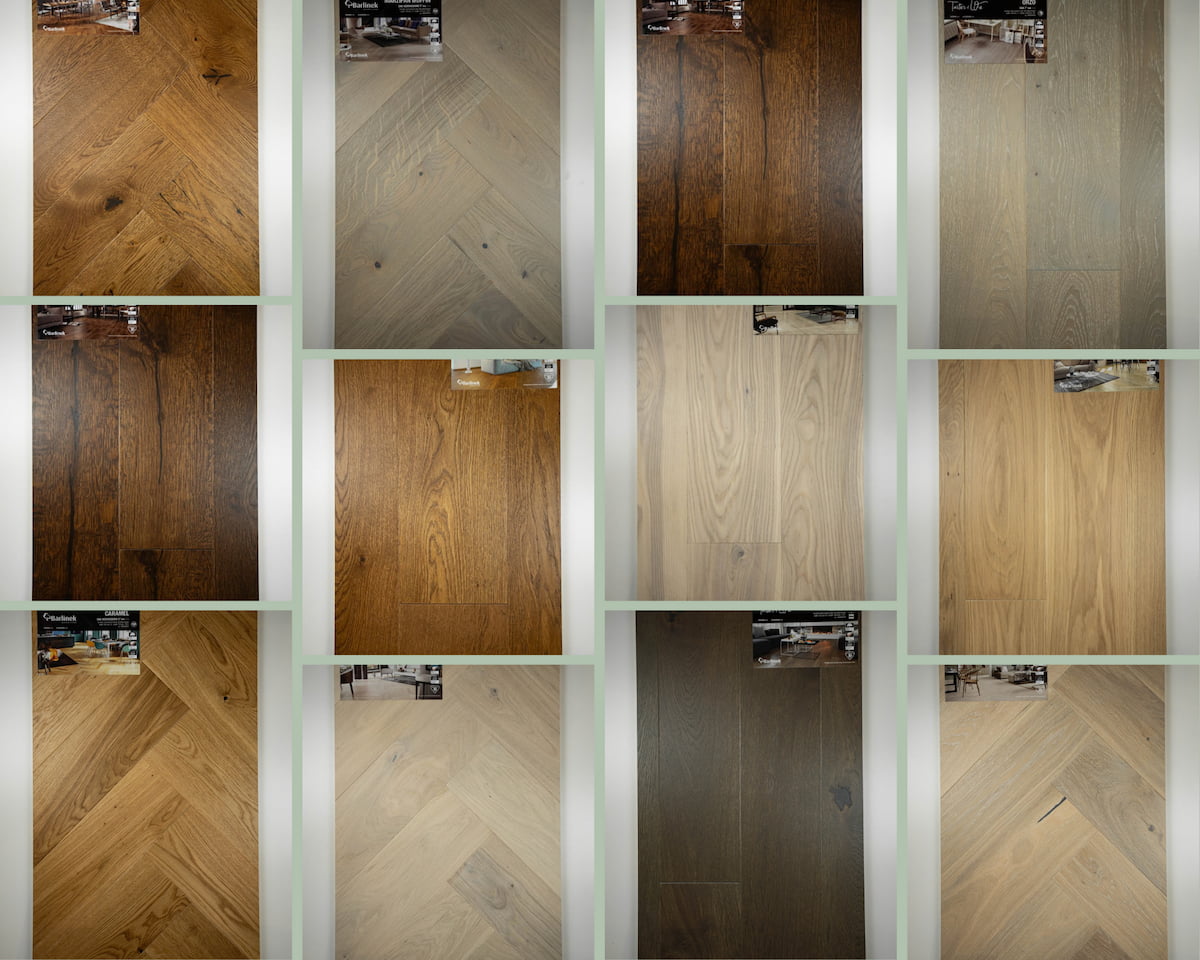
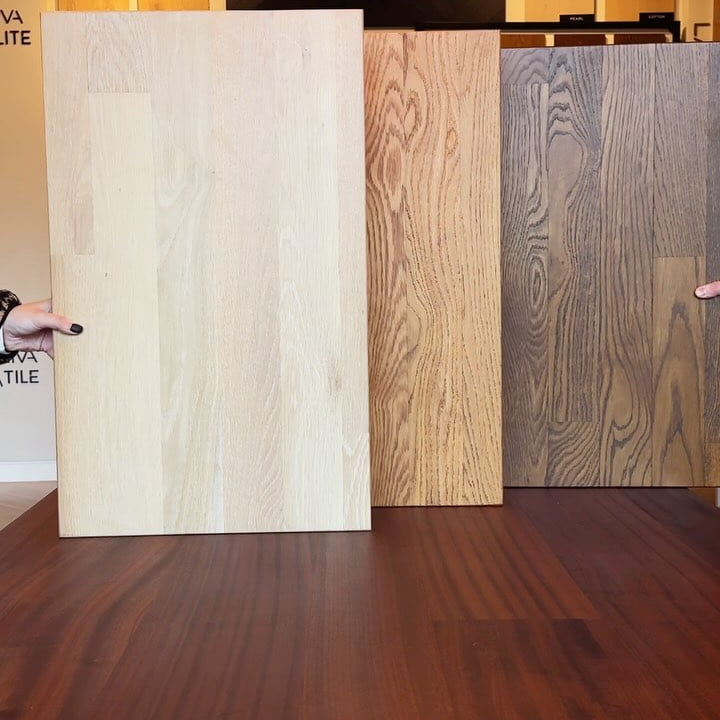
See the wood species in person or online. You can browse the showroom online or visit us at 800 Boylston St, Chestnut Hill, MA 02467.
Our Hardwood Services in Manchester, NH
Hardwood Floor Refinishing in Manchester, NH
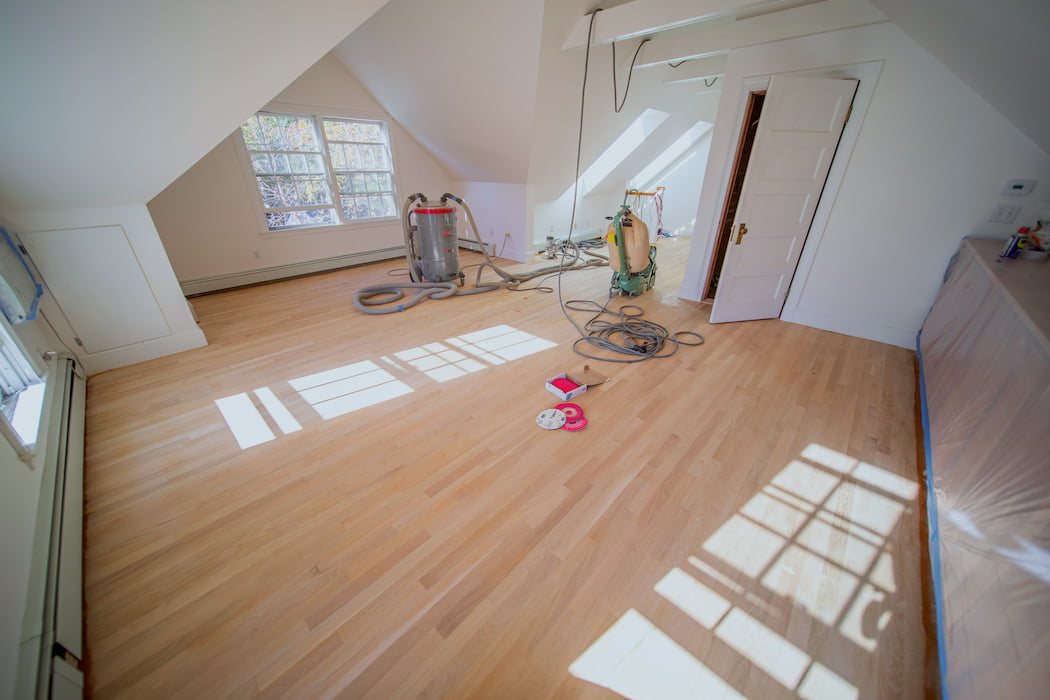
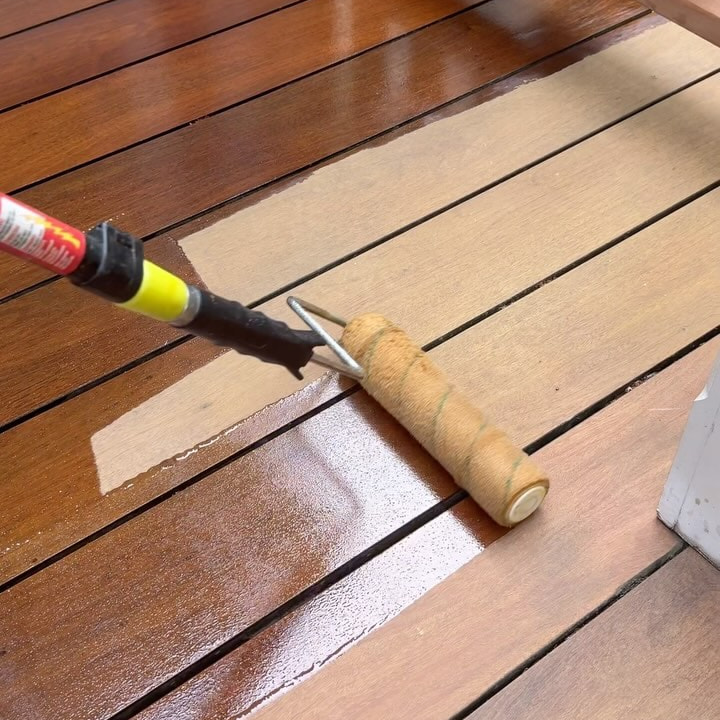
Make worn floors look new—without the mess. Our dust-containment sanding protects your home while we repair boards, tighten fasteners, and fill gaps for an even surface. Choose custom stain colors and the right finish system for your lifestyle: water-based for fast cure and clear tone, or oil-based for classic warmth. Not sure which is best?
- Progressive sanding grits, water-popping for even stain, and low-VOC options
- Matte, satin, semi-gloss, and gloss sheen choices
- Screen & Re-Coat for lightly worn finishes
- Care kit + maintenance checklist
If your floors are too thin for another sanding, consider a tasteful upgrade with our installation options or explore refinishing projects in the gallery. Ready to begin? Request an estimate.
More About Refinishing
Hardwood Floor Installation in Manchester, NH
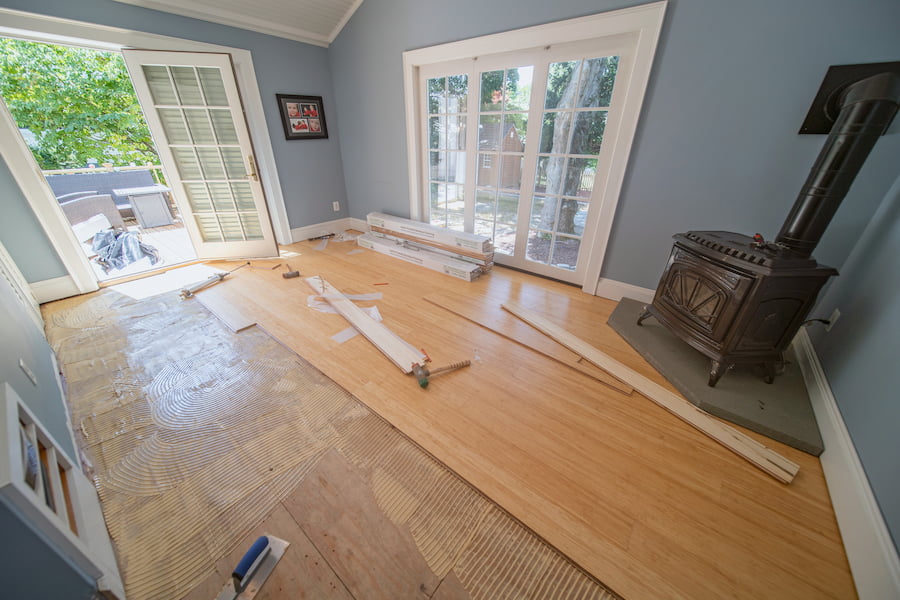
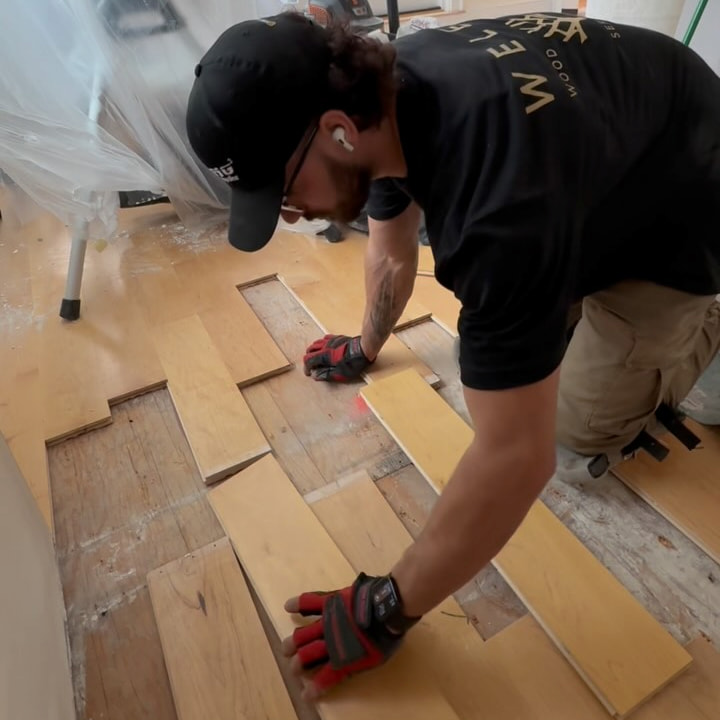
From wide-plank white oak to herringbone, we install floors designed for Manchester’s humidity swings. After a laser measure and subfloor assessment, we help you choose between solid hardwood or engineered hardwood, then select the proper method—nail-down, glue-assist, or full glue—plus acoustic underlayment where needed.
- Documented acclimation + moisture checks for New England seasons
- Clean cuts, HEPA dust control, crisp trims & transitions
- Stairs, treads/risers, thresholds, and radiant-heat-safe assemblies
On the fence between new floors and a re-sand? See what’s possible with refinishing, and browse our portfolio for local inspiration. When you’re ready, get your installation estimate.
Manchester, NH Hardwood Floor Products
Species, grades and finishes from the Chestnut Hill showroom
We stock and source the species most Massachusetts floors are built from: red oak, white oak, maple, ash, birch and walnut, plus the stains, adhesives and finishes that go with them. Samples are in the showroom at 800 Boylston St, and we sell to homeowners, builders and other flooring contractors.
Most homes in the Manchester, NH area built between roughly 1900 and 1960 have 2¼″ plainsawn red oak strip. If you are repairing or extending a floor rather than replacing it, width, species and cut all have to line up, or the new wood will always read as a patch. Bring in a loose board or an offcut and we will match it against stock.
The products page goes further into grades, how each species behaves underfoot, and when engineered board or luxury vinyl is the better call than solid wood.
Browse productsGet a written estimate for your Manchester, NH floor
Square footage and service type are enough to price the job. You get a number back within one business day, and 0% financing is available for up to 12 months.
Request Free EstimateWhy Choose Weles Wood Floor Services?
Every job uses dustless sanding, with HEPA extraction that keeps roughly 90 to 95% of the dust out of the rest of the house. We check moisture before fastening a board and hold the subfloor-to-wood difference inside 4%. Seven crews run the work, and a project manager answers seven days a week.
Request estimateby default HEPA-filter dust control with contained work zones for up to ~90-95% dust reduction.
sanding options From standard sanding to high-end finishing with professional-grade systems (including Lagler Trio) for a cleaner, smoother surface.
to all standards We acclimate the wood, measure moisture, and keep the subfloor-to-wood difference within 4% before fastening.
projects 7 crews, project managers available 7 days/week, showroom for samples, plus General Liability and Workers’ Comp coverage.
F.A.Q
FREQUENTLY ASKED QUESTION
Working from $4 to $5.50 per square foot, 1,000 square feet comes to $4,000 to $5,500 before stain. One level of a Rimmon Heights or Hallsville house generally falls inside the $1,500 to $6,500 that single-floor jobs cost, and refinishing an entire North End Victorian, three floors and the stairs between them, runs $6,000 to $12,000 and beyond. Stairs are the variable in Manchester's older stock: every tread is edged and hand-sanded, and if a house built between 1880 and 1920 for an Amoskeag manager kept both its front and service stairs, both are priced by the tread.
In the $20,000 to $44,000 range for material and labor, since installed hardwood runs $10 to $22 per square foot; a single 1,000-square-foot level is $10,000 to $22,000. Of that, labor is $3 to $10 per square foot, straight-lay at the low end and a herringbone or chevron field at $8 to $10 and above. With 28 to 33 percent of Manchester's housing built before 1940, the subfloor line is common here: leveling or overlaying an old board subfloor in a Notre Dame triple-decker or a North End house adds $2 to $10 per square foot, or $900 to $3,000 for one full floor, while a 1960s ranch in the outer neighborhoods usually skips it.
They set the outer edges. Manchester's noise ordinance prohibits construction activity above its decibel limits between 9pm and 7am, so a belt sander in a house on The Hill, the raised section of the North End between Maple, North, Pearl and Walnut Streets, has a 14-hour legal window and in practice runs a normal working day inside it. Coats of water-based finish are quiet and dry in one to two hours, so a second coat can go on toward evening without touching the ordinance. Anyone with a tighter house rule, a condo association in a Millyard conversion for instance, should hand that schedule to the crew before day one.
Floors are interior work, so no. The Heritage Commission reviews qualifying outdoor building permit applications inside the city's historic districts, the Amoskeag Millyard Historic District among them, for their effect on the district; sanding, staining and coating a floor produce no exterior change and no hearing. What can trigger review is anything a floor project grows into that shows from the street, such as replacing a door or adding a bulkhead to move material, so keep that out of scope or file it separately. Converted mill buildings like the 1885 Amoskeag Apartments answer instead to their own association rules on hours, elevators and access.
One at a time works, provided the finish is water-based. Bona Traffic HD and Bona Mega ONE are low enough in VOC, 150 and 200 g/L, that the households above and below stay put, and the unit being done takes furniture back three or five days after the last coat. Each level of a Notre Dame or Rimmon Heights triple-decker is a separate 21 to 33 hour sanding job per 1,000 square feet, and dustless sanding with HEPA vacuums holds back 90 to 95 percent of the dust while plastic film seals the unit's door from the common stair. Oil-based Woodline, at 700 g/L, would empty the building.
During the heating season, probably. Once the furnace runs, indoor humidity falls to 20 to 30 percent, against 50 to 60 percent in August, and a wide plank moves more across its width than 2¼-inch strip, so 7-inch white oak in a North End dining room will open hairline gaps around February and close them by June. That much is normal and not a defect. Keeping the house from dropping into the low 20s all winter narrows the swing, and the installation side of the same problem is why boards over 3¼ inches are glued as well as nailed. Buckling or cupping, as opposed to hairline gaps, points to a moisture source, not the season.
Hardwood Floors Tips
Check Blog for More
How to Fix Wood Floor Gaps | Full Guide
Hairline gaps that open in February and close by June are seasonal. A heated New England house falls from 50 to 60 percent humidity in summer to 20 to 30 in winter, and solid oak shrinks with it. A gap still open in July is worth a call.
Read the full guide
Wood Floor Water Damage
Cupped boards that stayed nailed down usually flatten once the subfloor dries to within 4 percent of the flooring, which takes weeks rather than days. Buckled boards are replaced. Sanding too early turns cupping into crowning.
Read the full guide
How Long To Stay Out After Floor Refinishing?
With a water-based finish you stay home. Bona Traffic HD is 150 g/L VOC, dries in one to two hours a coat, and takes furniture after three days. Oil-based Woodline needs 14 days and an empty house.
Read the full guideNearby areas we serve
Contact Us
Weles works across New England from two locations, with Greater Boston as home ground. Manchester, NH is served from the showroom at 800 Boylston Street in Chestnut Hill and from the Ashland base, and one of three project managers picks up seven days a week. The map shows the Chestnut Hill showroom, where the plank stock and finish samples are kept.
How to Contact us?
Reach us at (617) 618-8395, send us an email at weles.usa@gmail.com, or simply fill out the form and we'll get back to you as soon as possible.