
Shop Hardwood Flooring
400 PRODUCTS FOUND
- Most Popular
- Newest
- Price (Low-to-High)
- Price (High-to-Low)
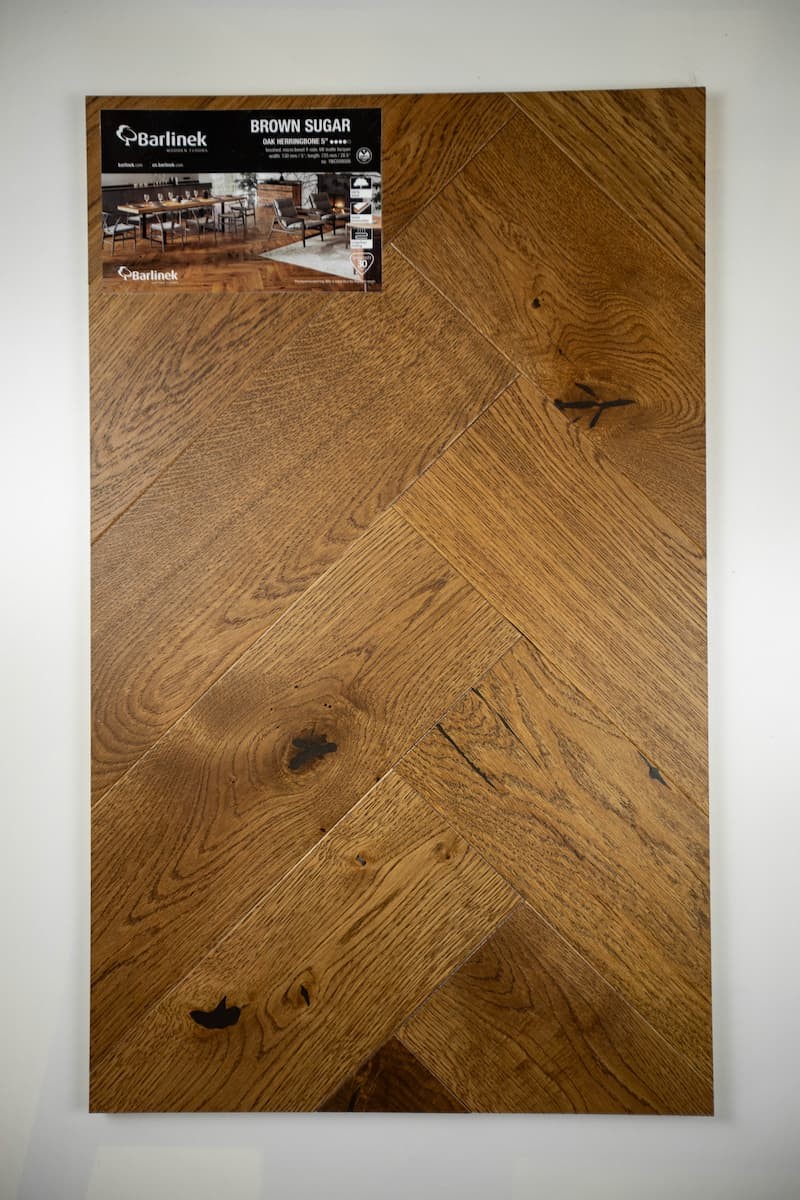
Oak Brown Sugar Herringbone Hardwood Flooring
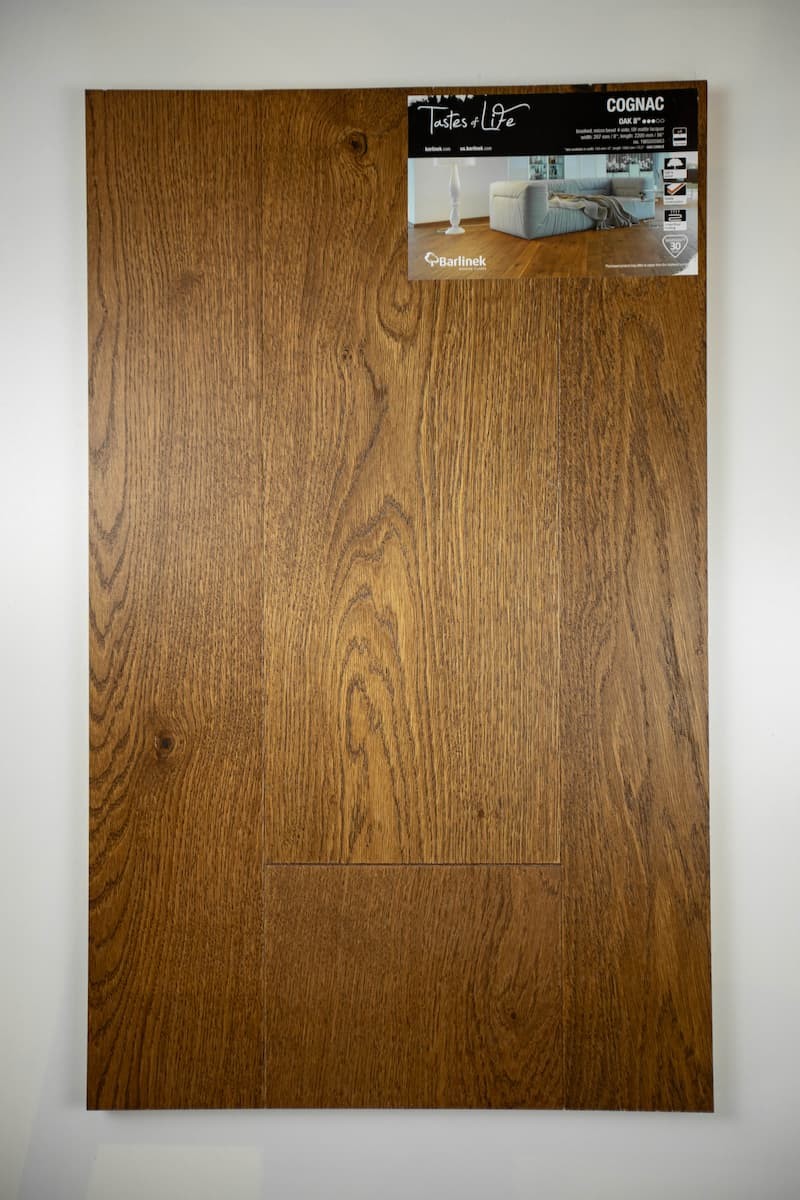
Cognac White Oak Hardwood Flooring
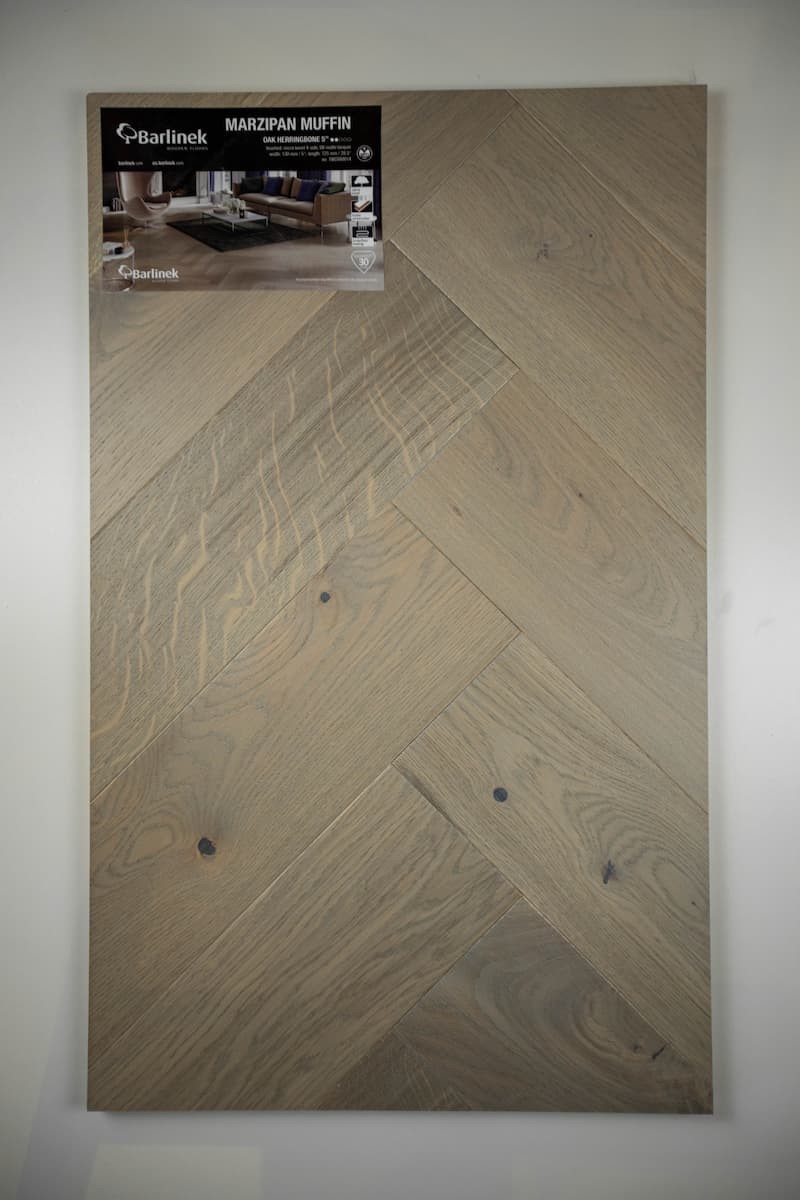
Marzipan Muffin White Oak Herringbone Hardwood Flooring
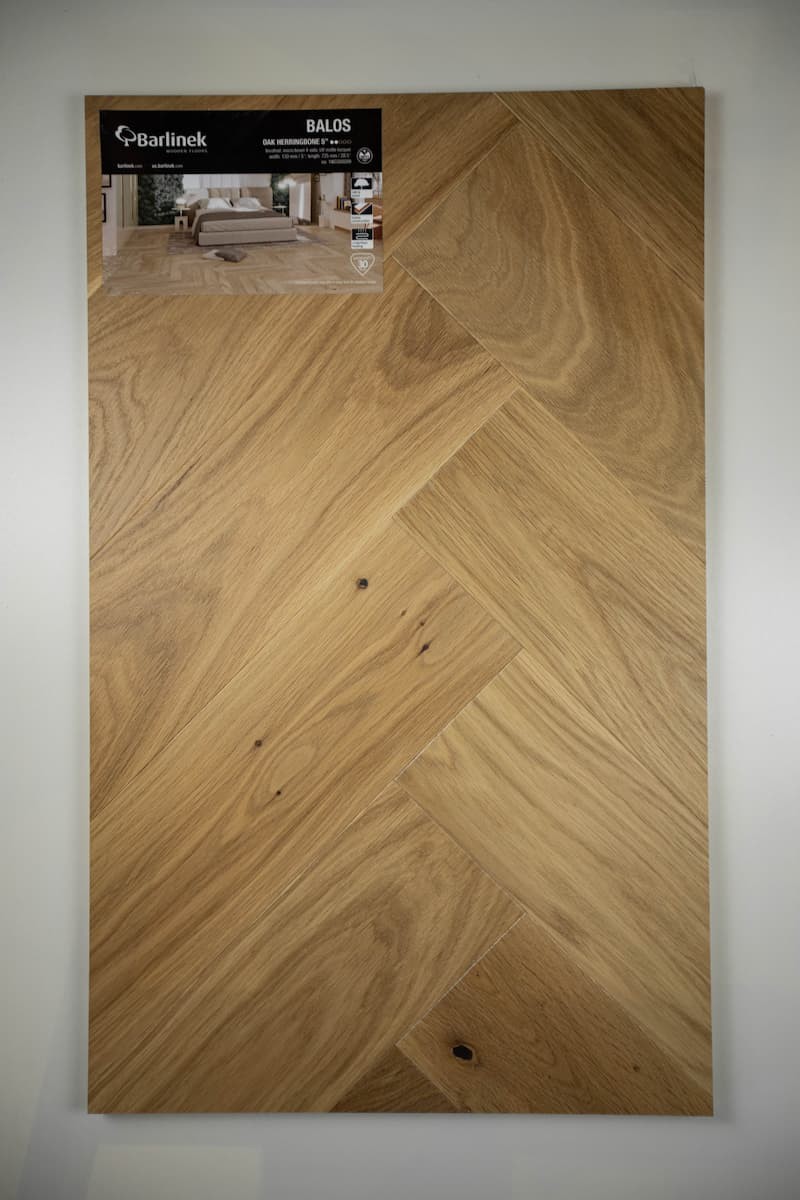
Balos White Oak Herringbone Hardwood Flooring
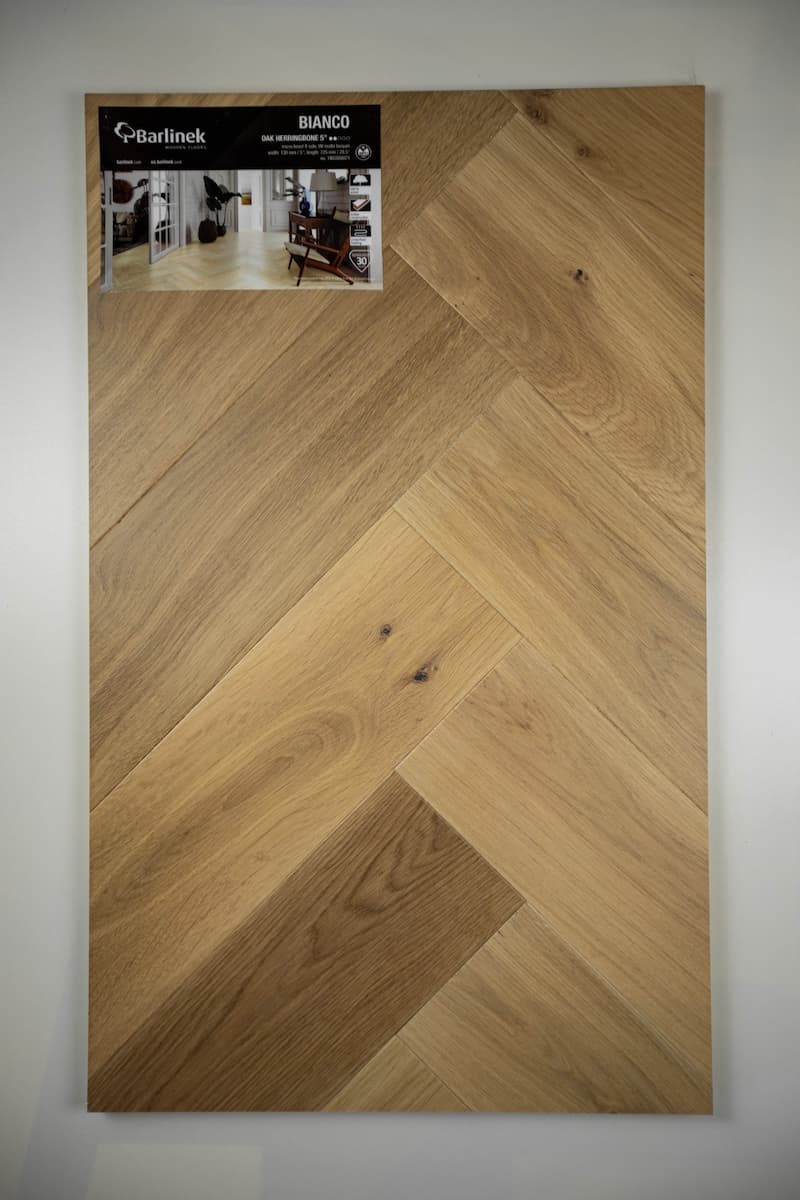
Bianco White Oak Herringbone
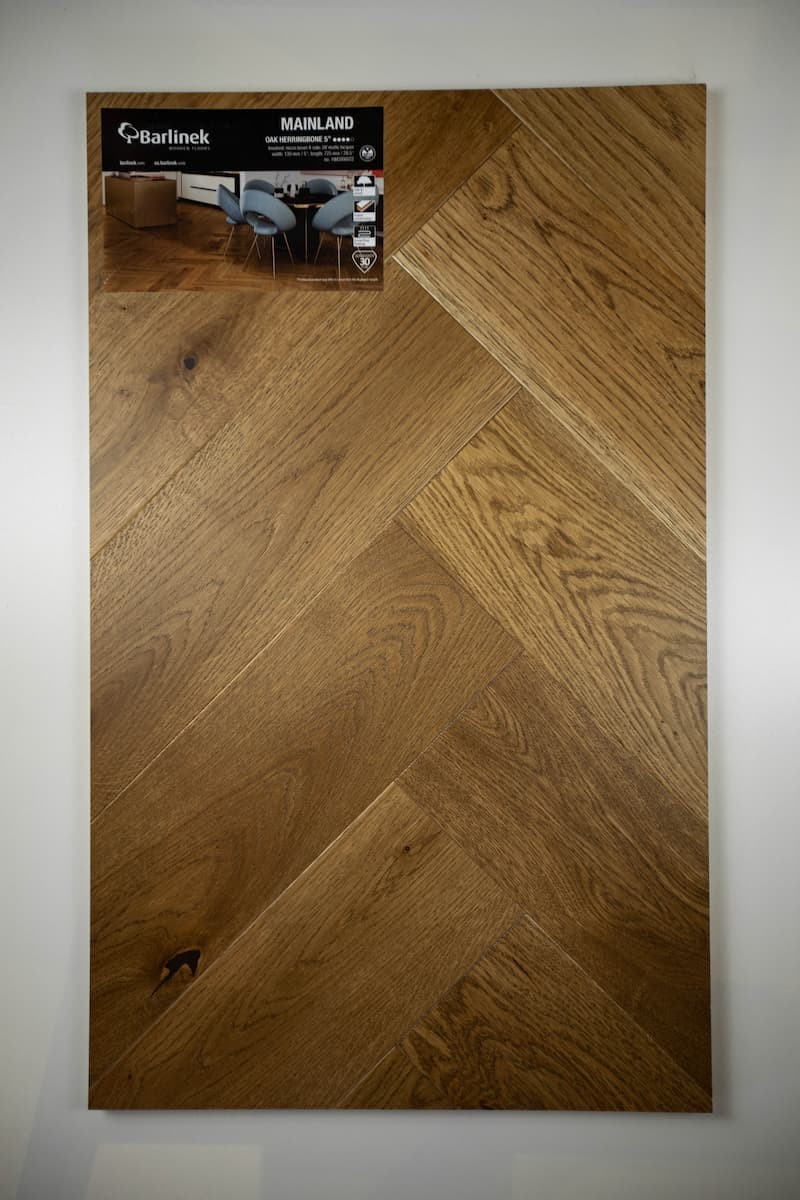
Mainland White Oak Herringbone Hardwood Flooring
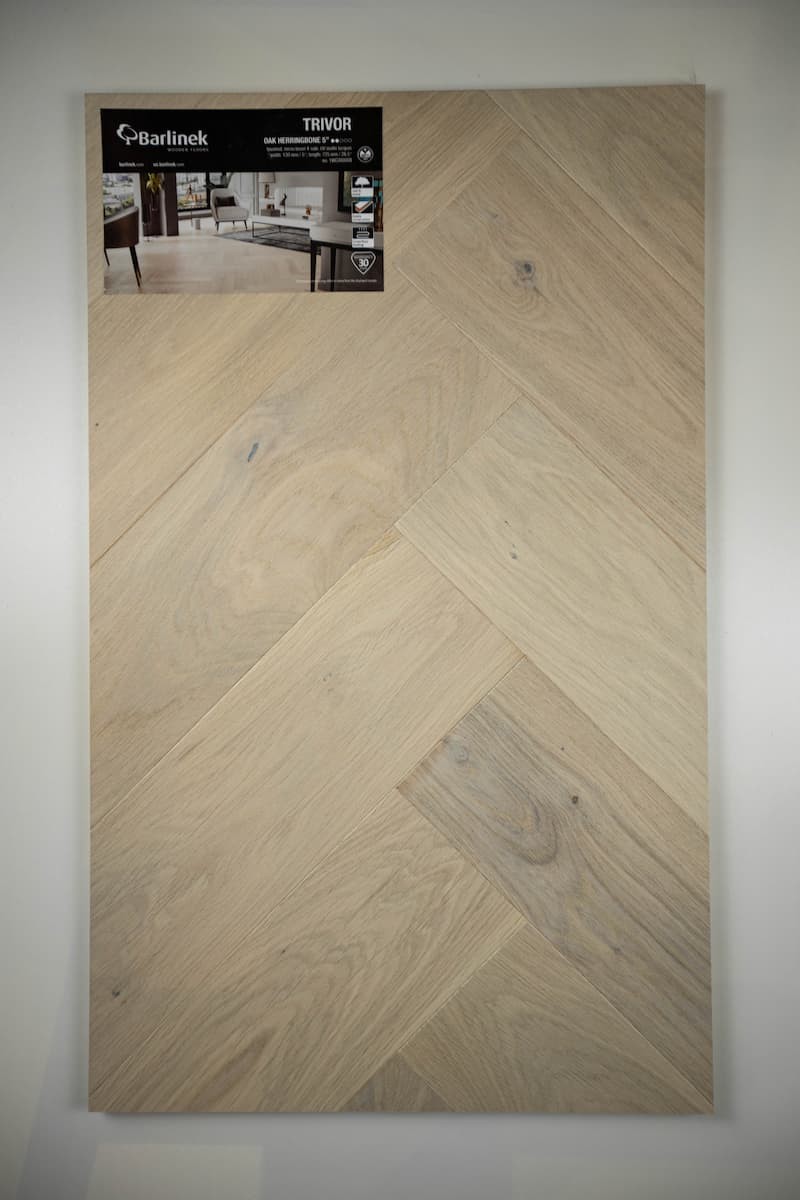
Trivor White Oak Hardwood Flooring
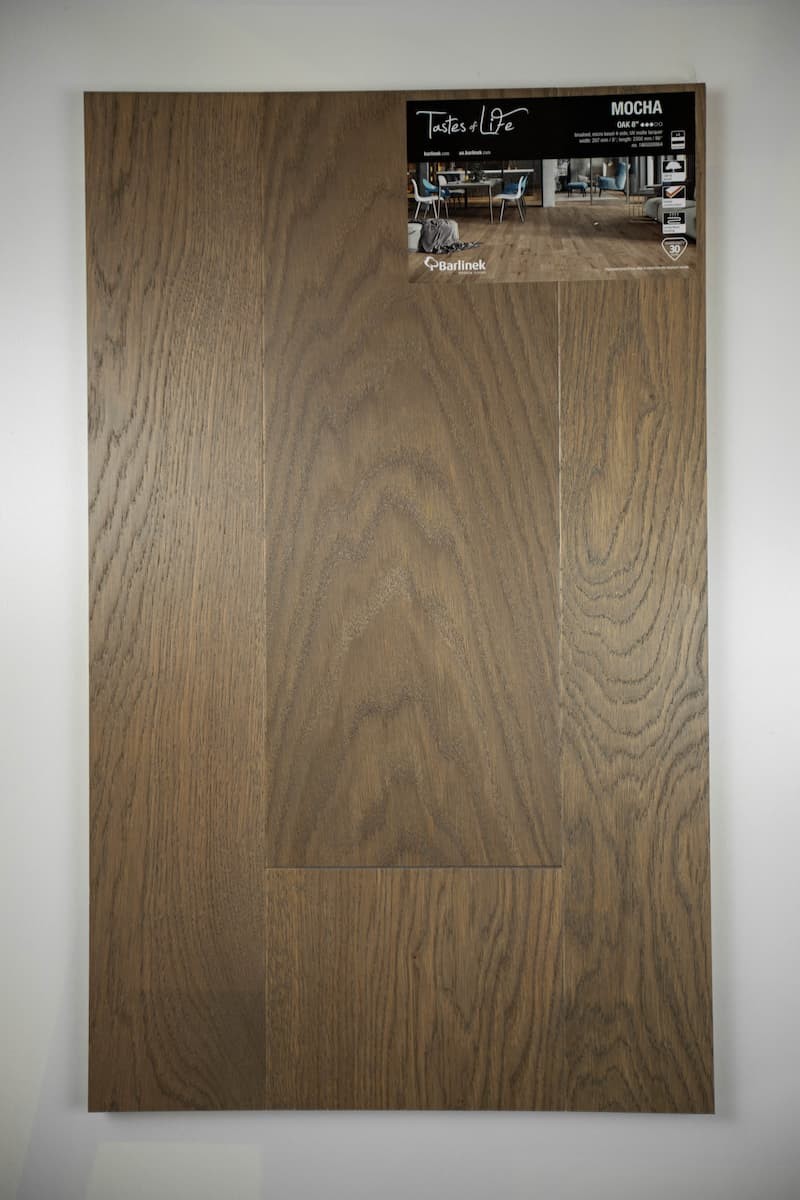
Mocha White Oak Hardwood Flooring
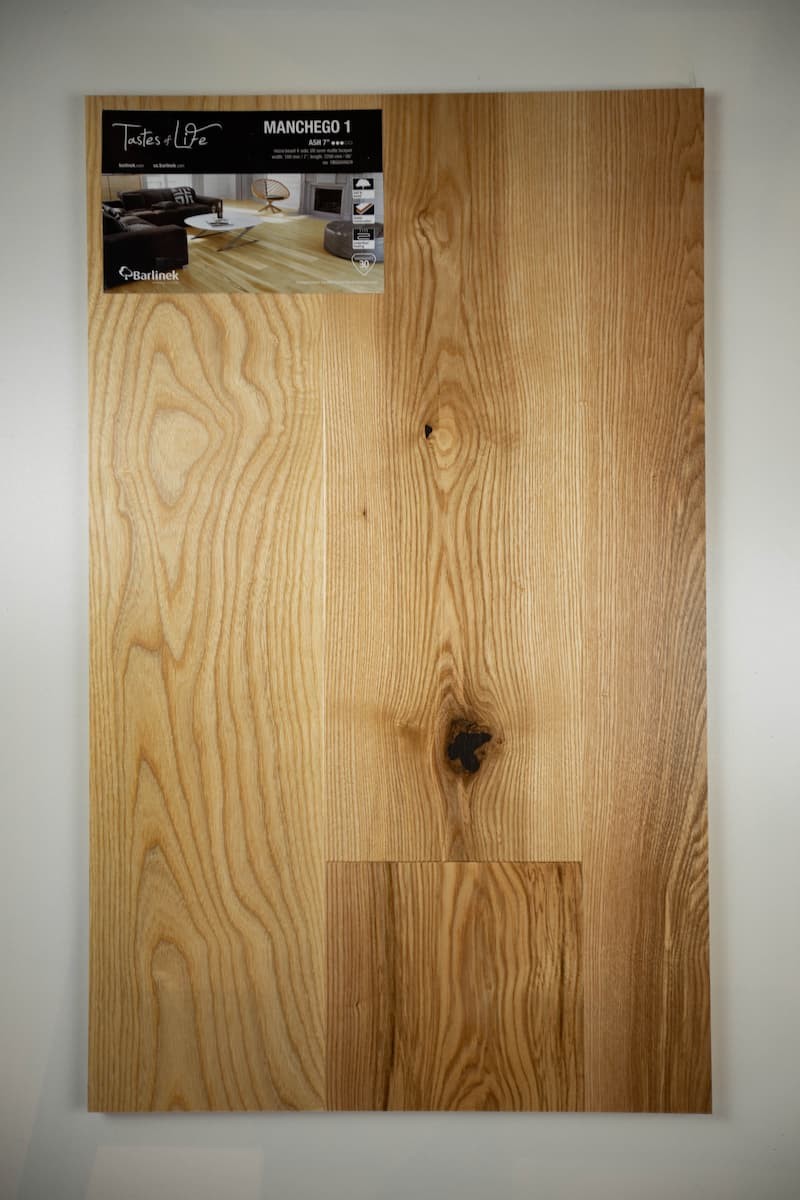
Manchego Ash Hardwood Flooring
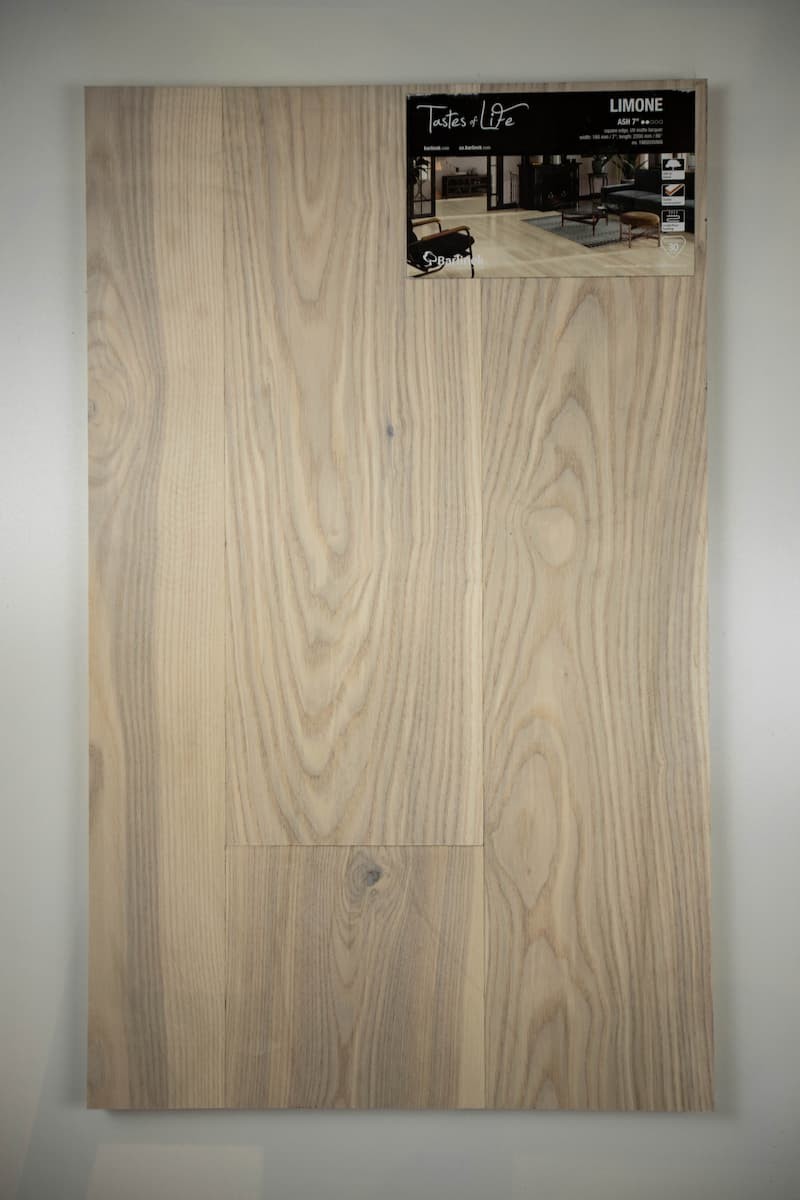
Limone Ash Hardwood Flooring
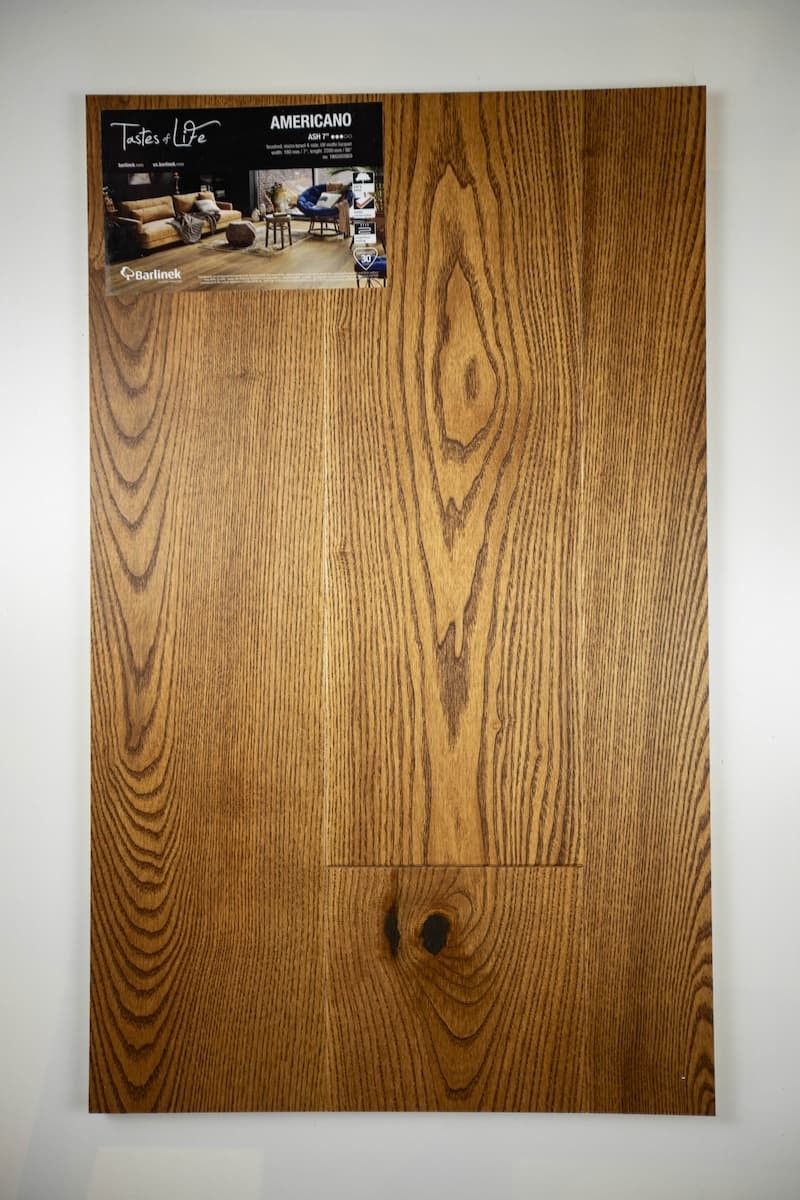
Americano Ash Hardwood Flooring
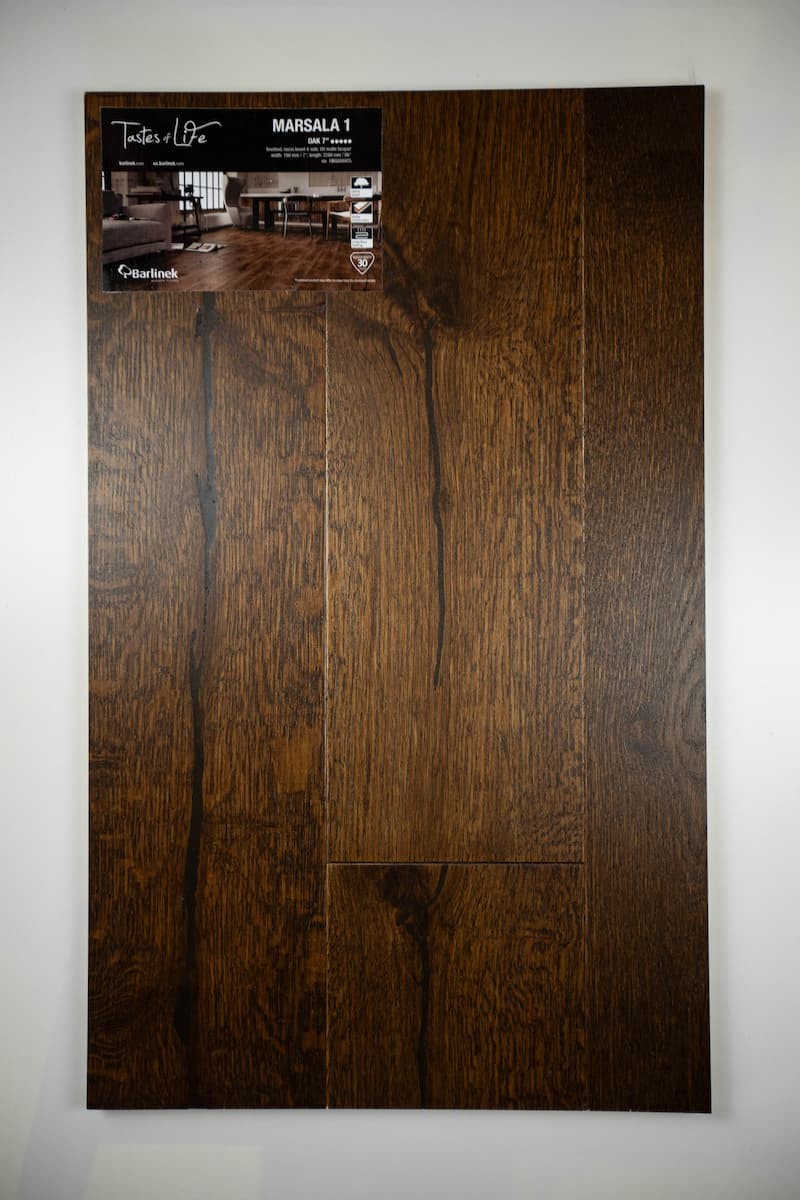
Marsala White Oak Hardwood Flooring
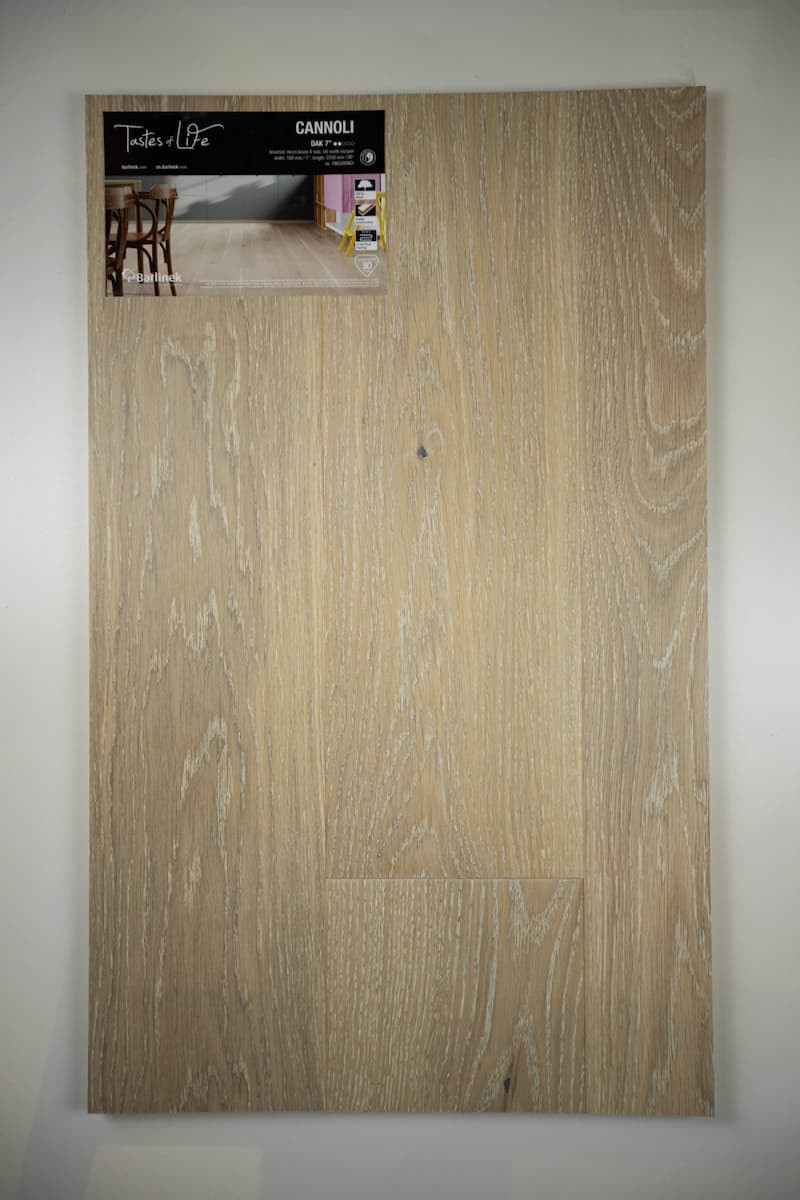
Cannoli White Oak Hardwood Flooring
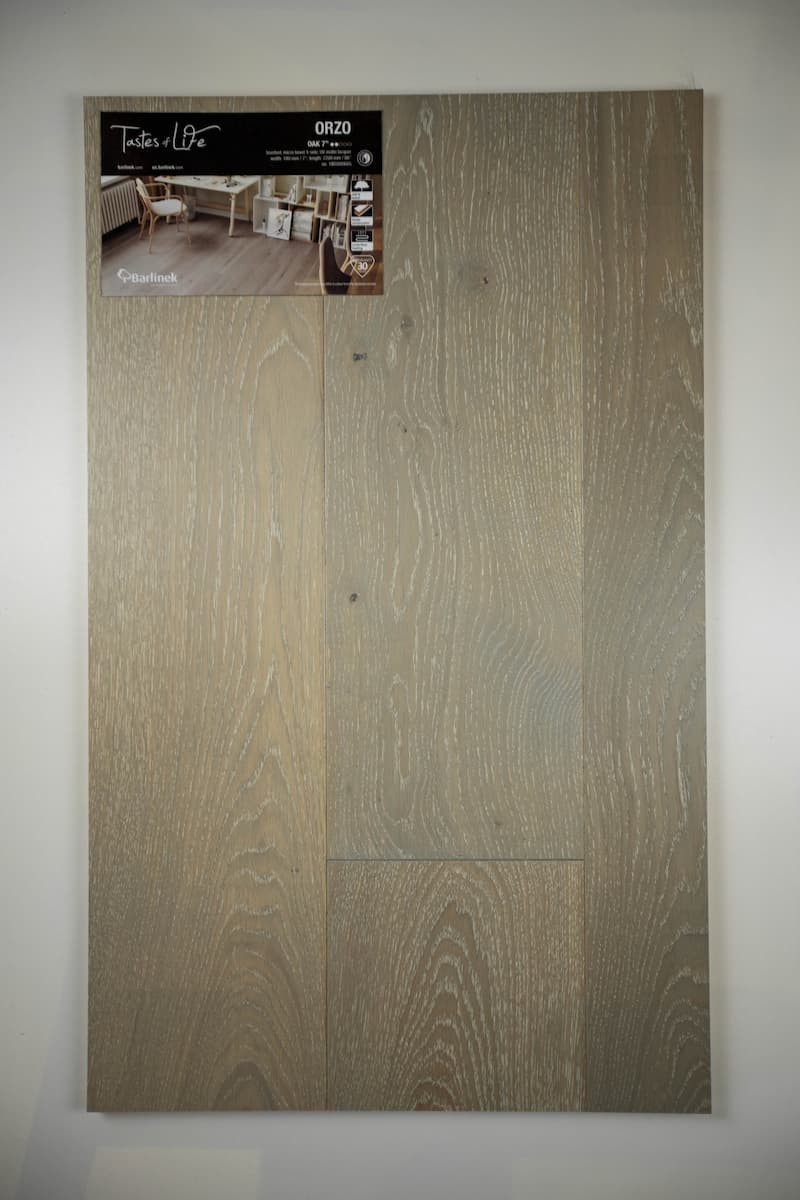
Orzo White Oak Hardwood Flooring
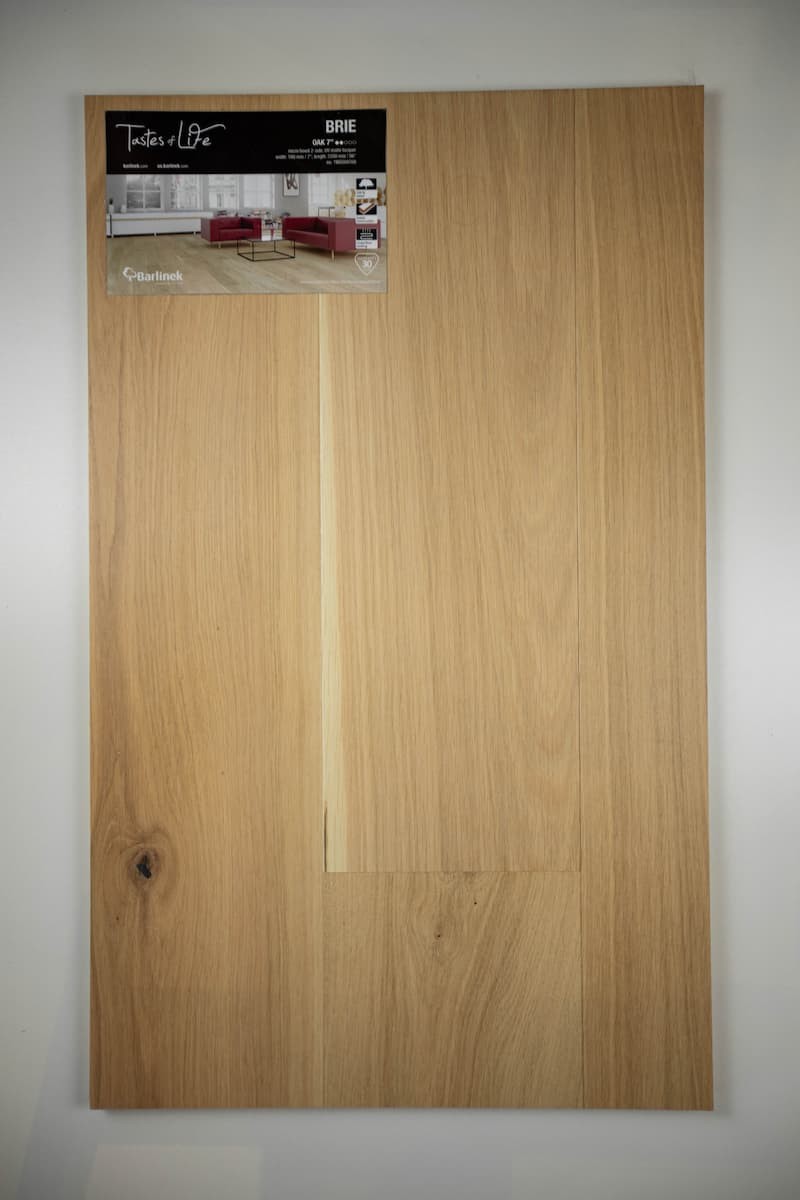
Brie White Oak Hardwood Flooring
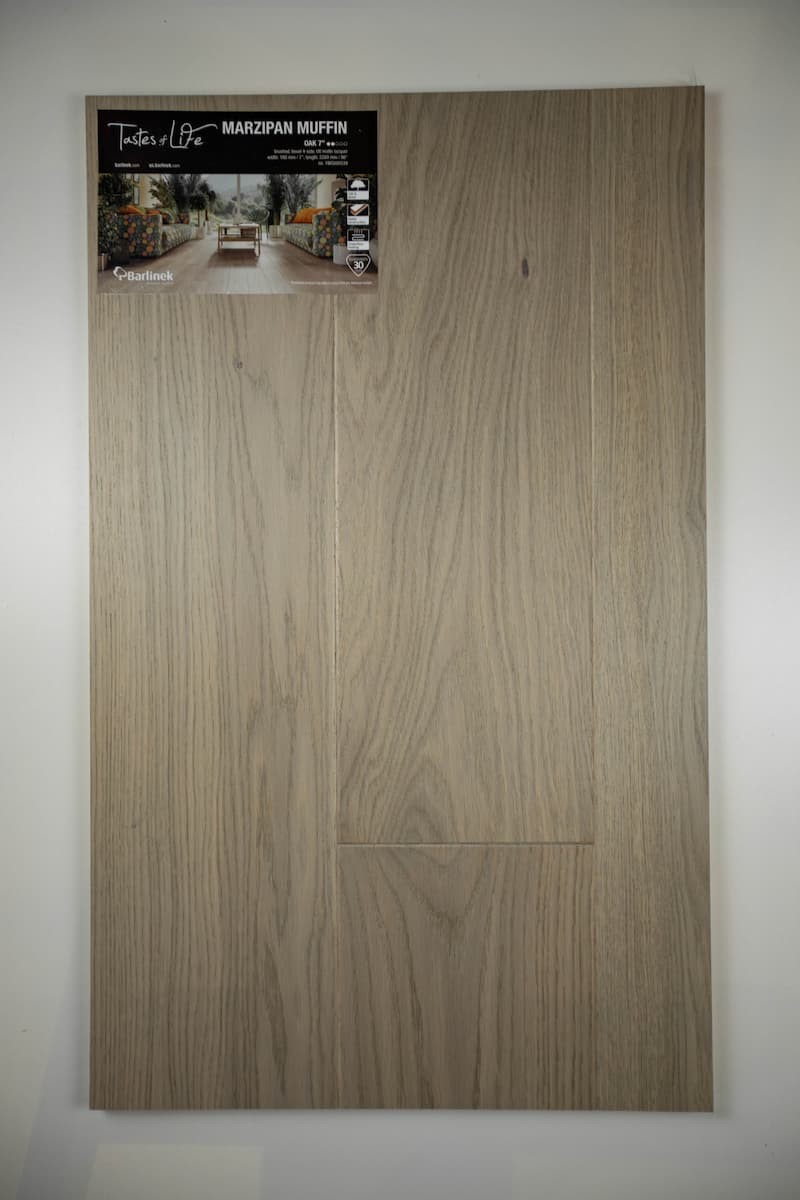
Marzipan Muffin White Oak Hardwood Flooring
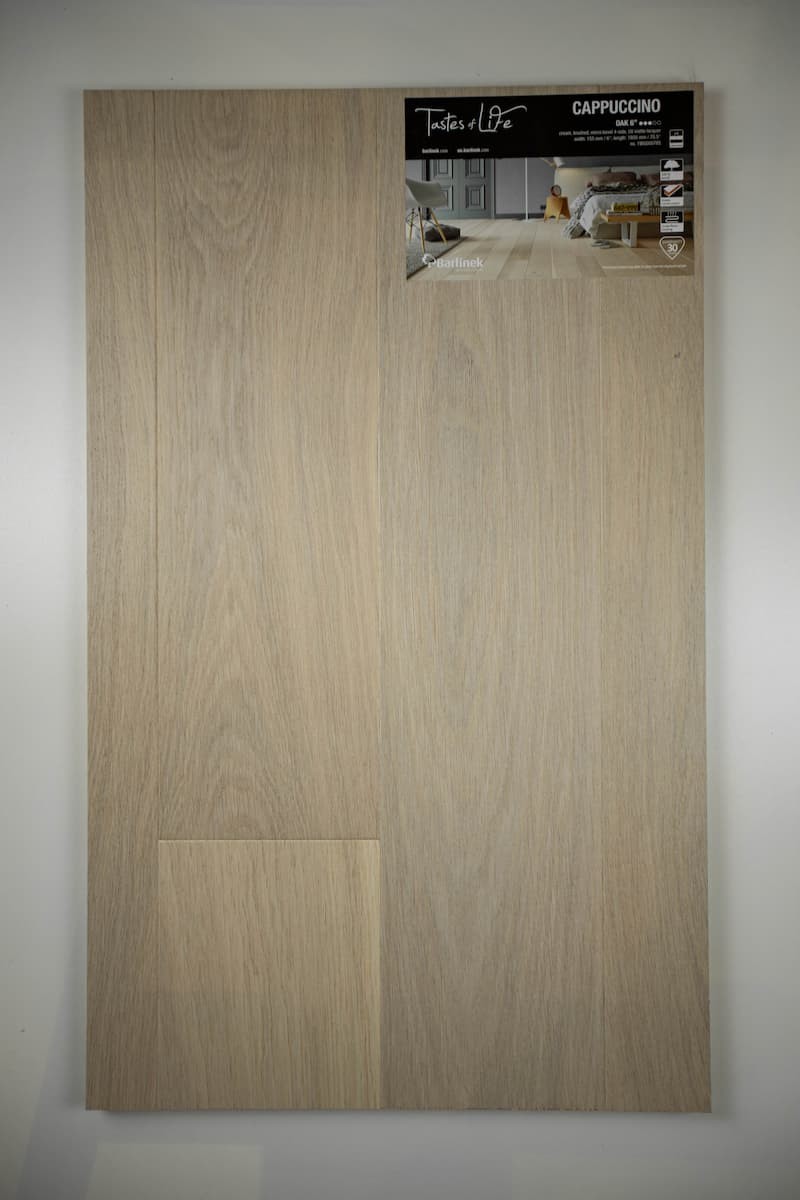
Cappuccino White Oak Flooring
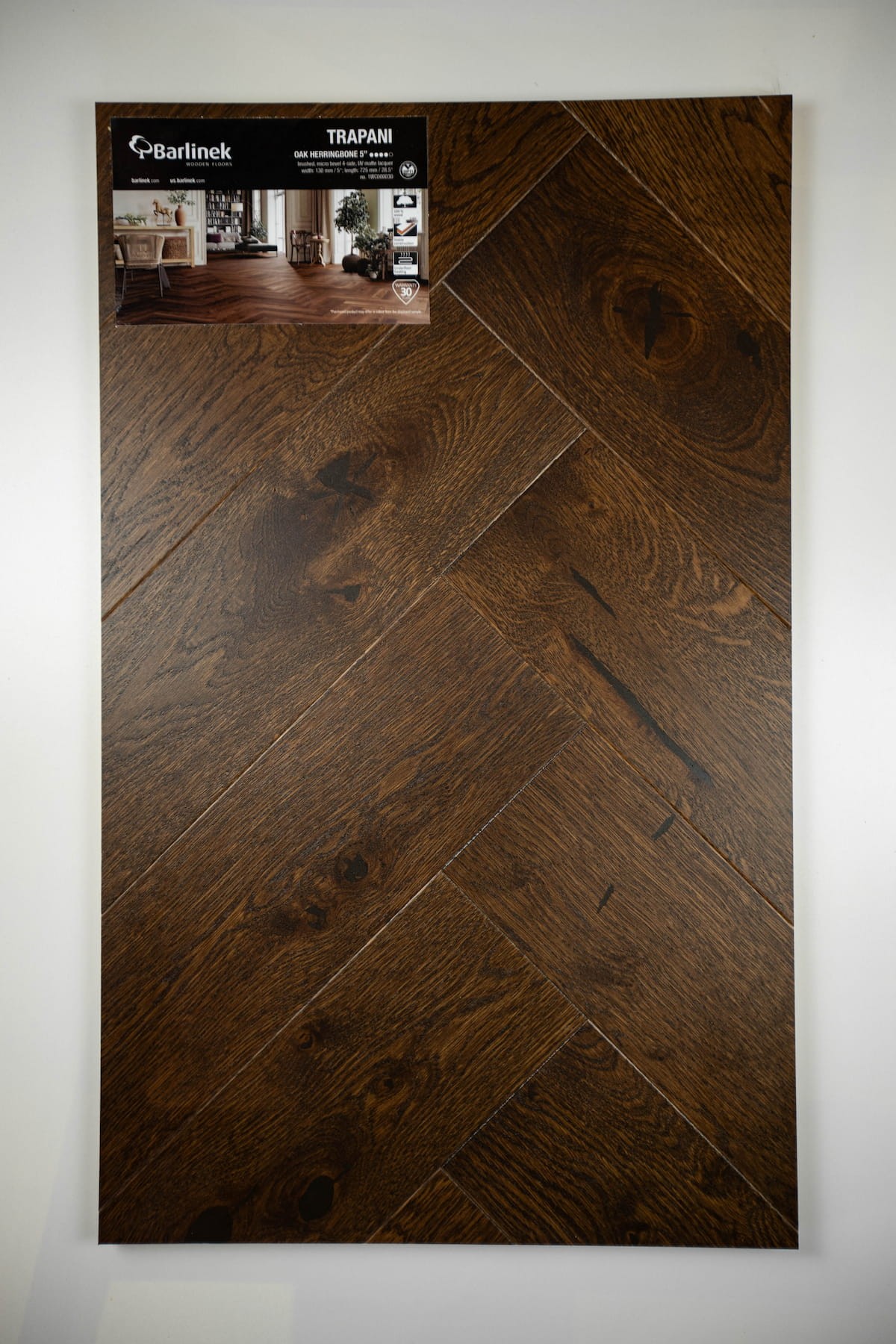
Oak Trapani Herringbone Hardwood Flooring
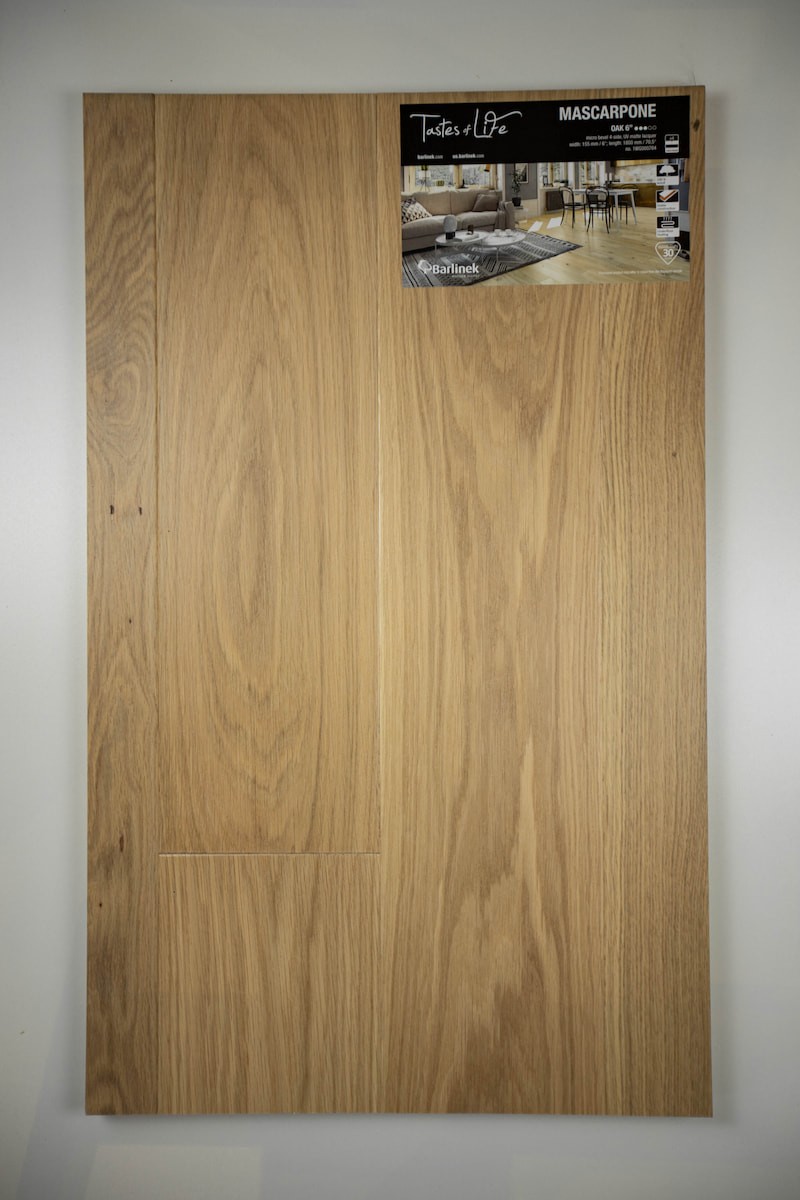
Mascarpone White Oak Hardwood Flooring
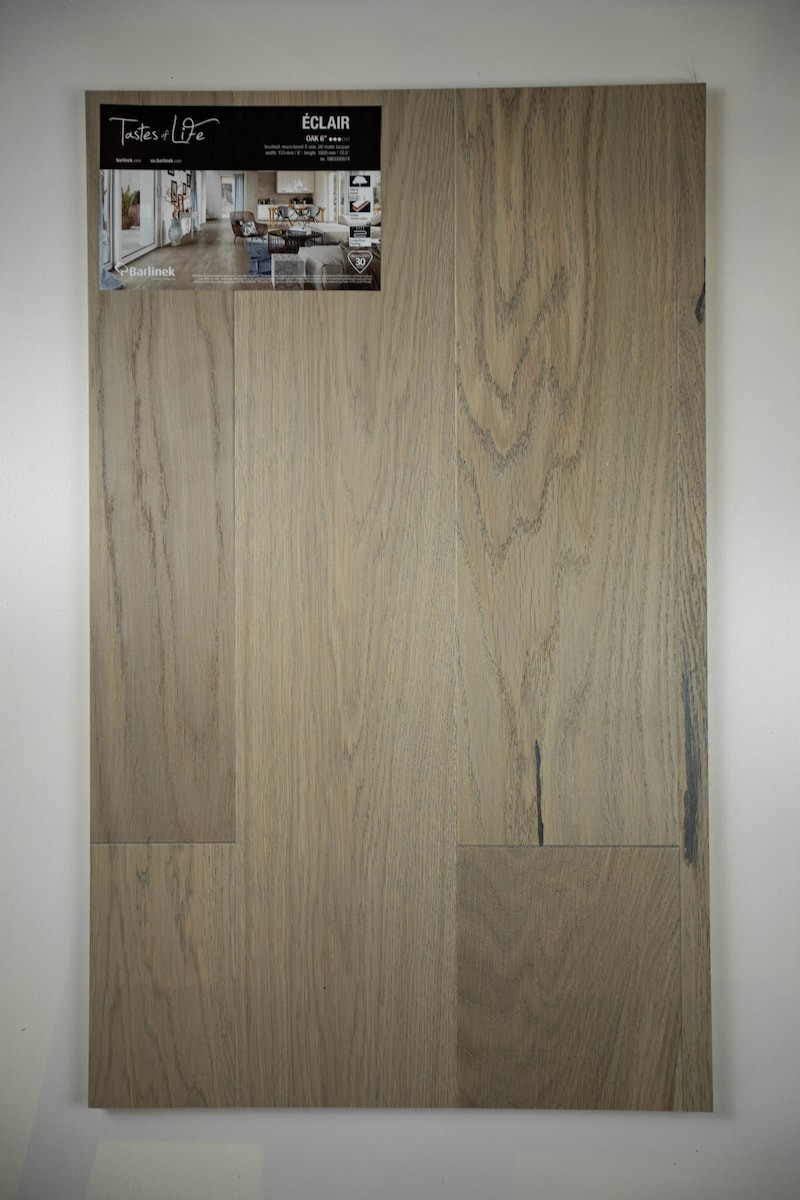
ECLAIR 6 Inches Grey Oak Hardwood Flooring
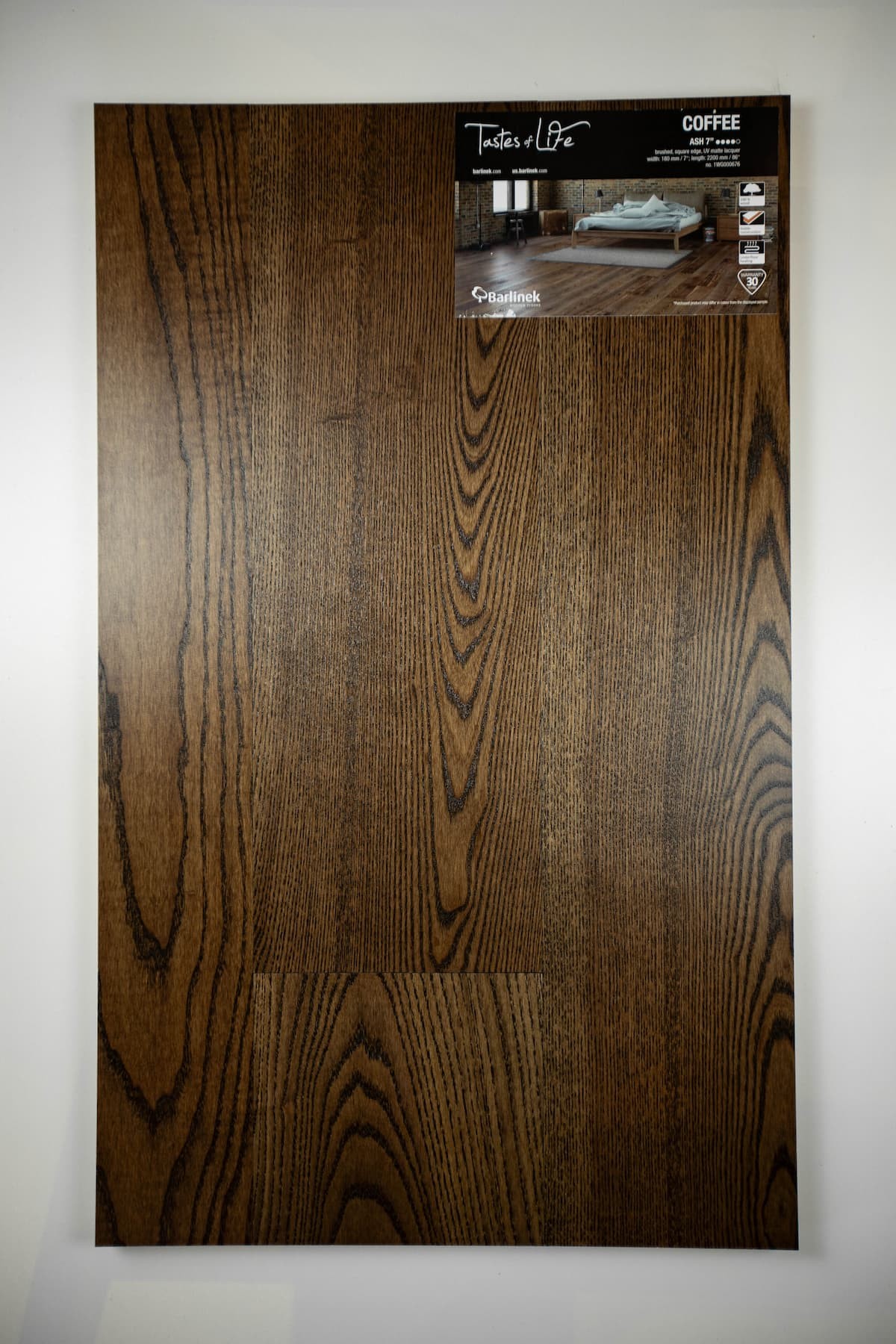
Coffee Ash Hardwood Flooring
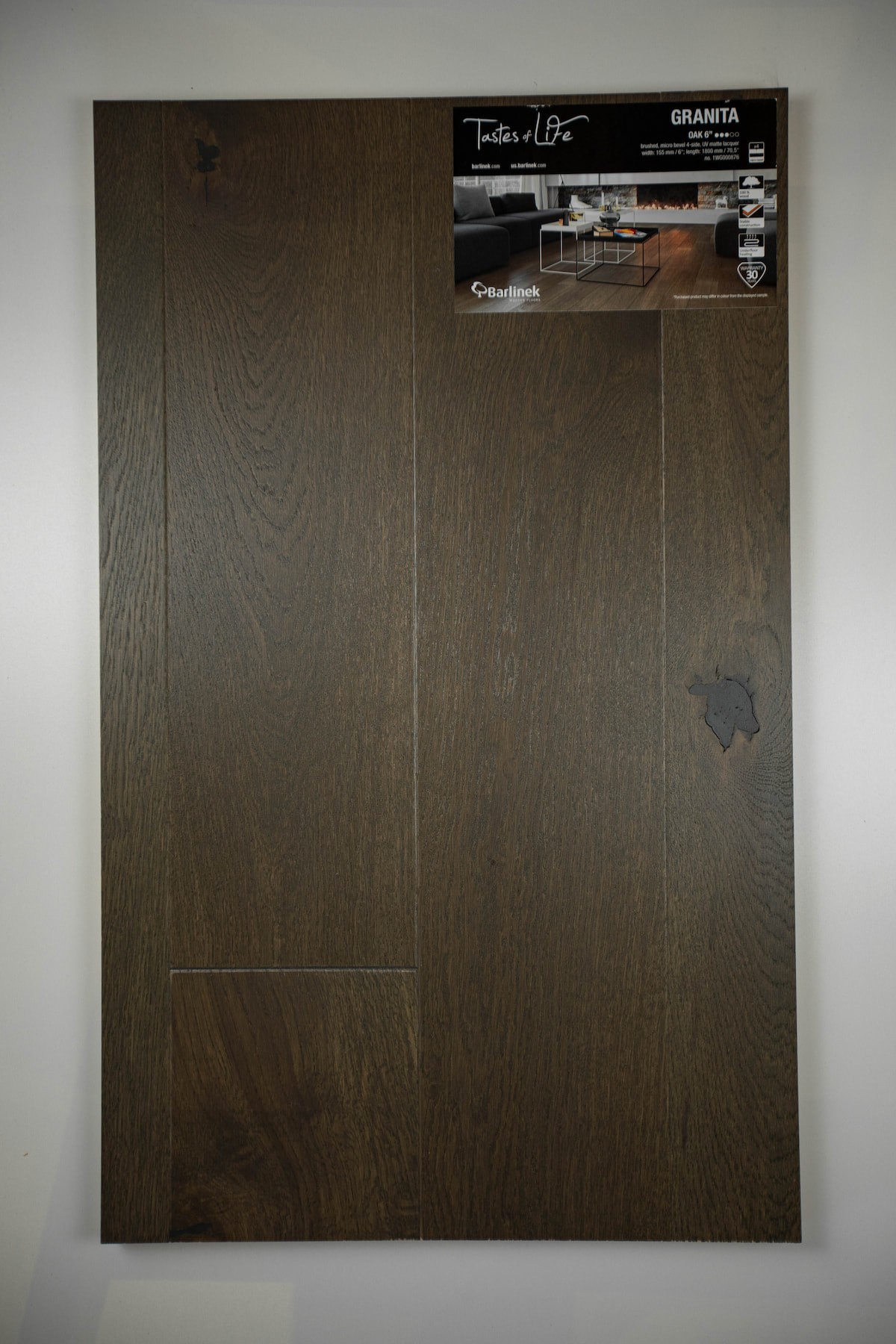
Granite Engineered White Oak Hardwood Flooring
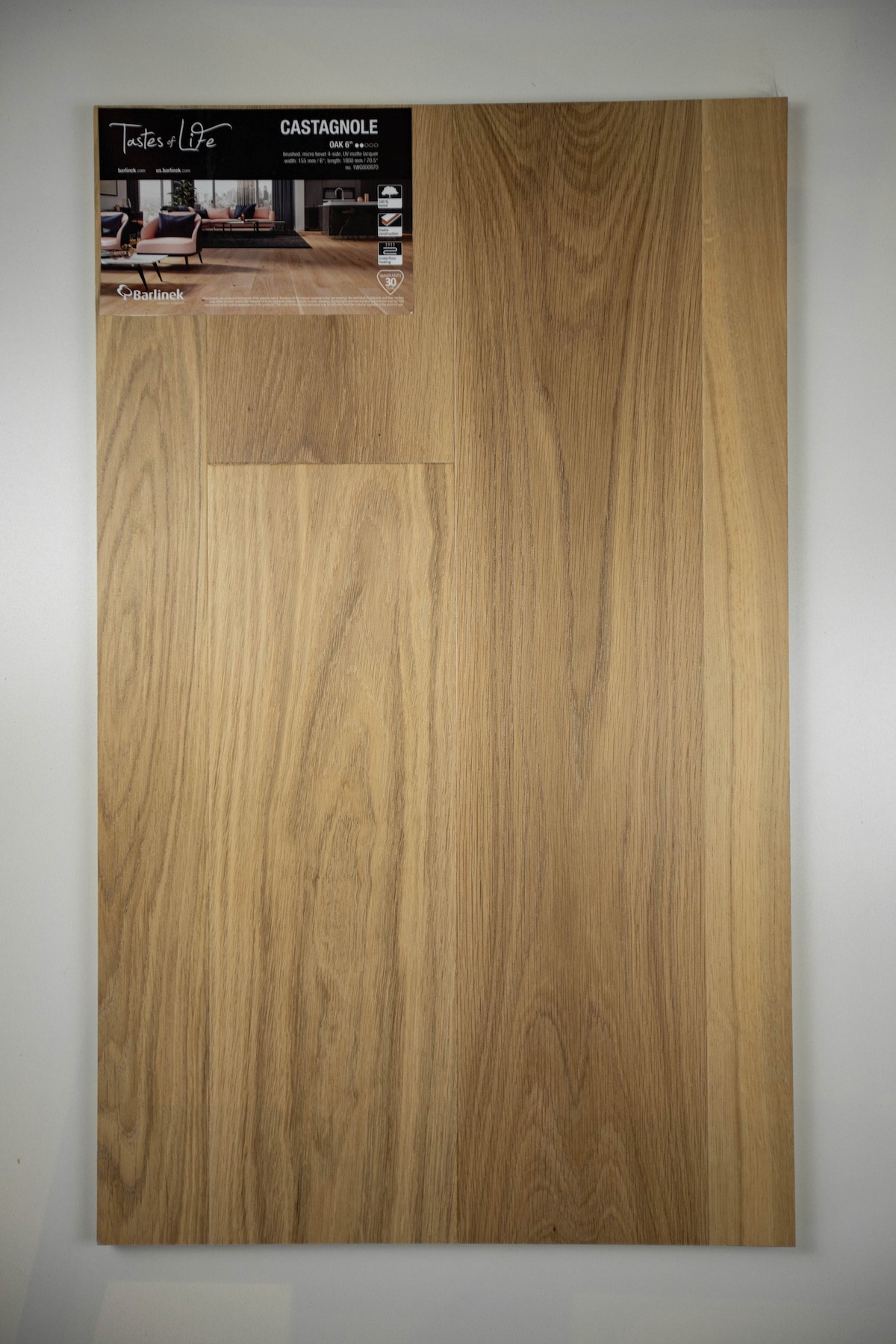
Oak Castagnole
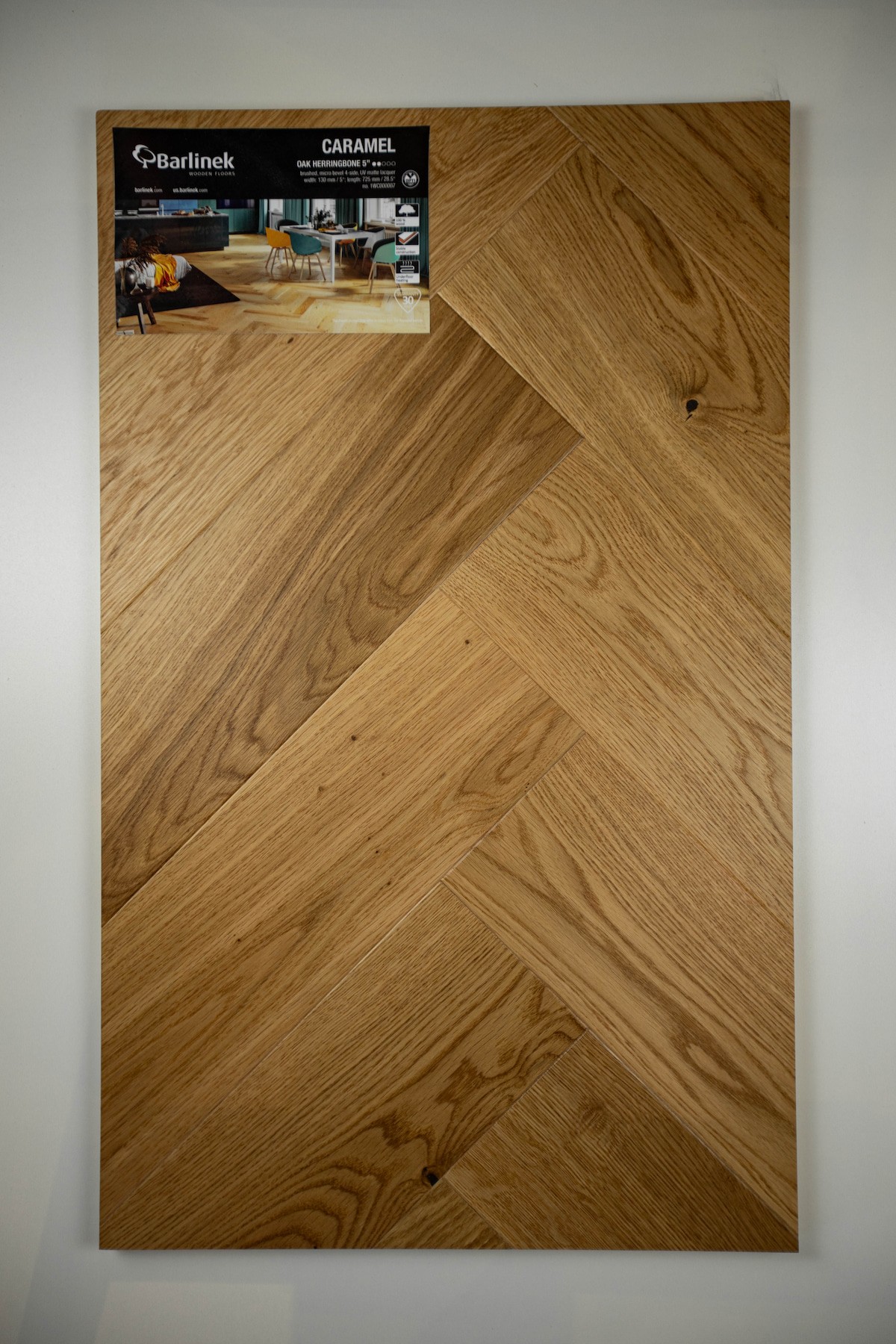
Caramel Oak Hardwood Flooring
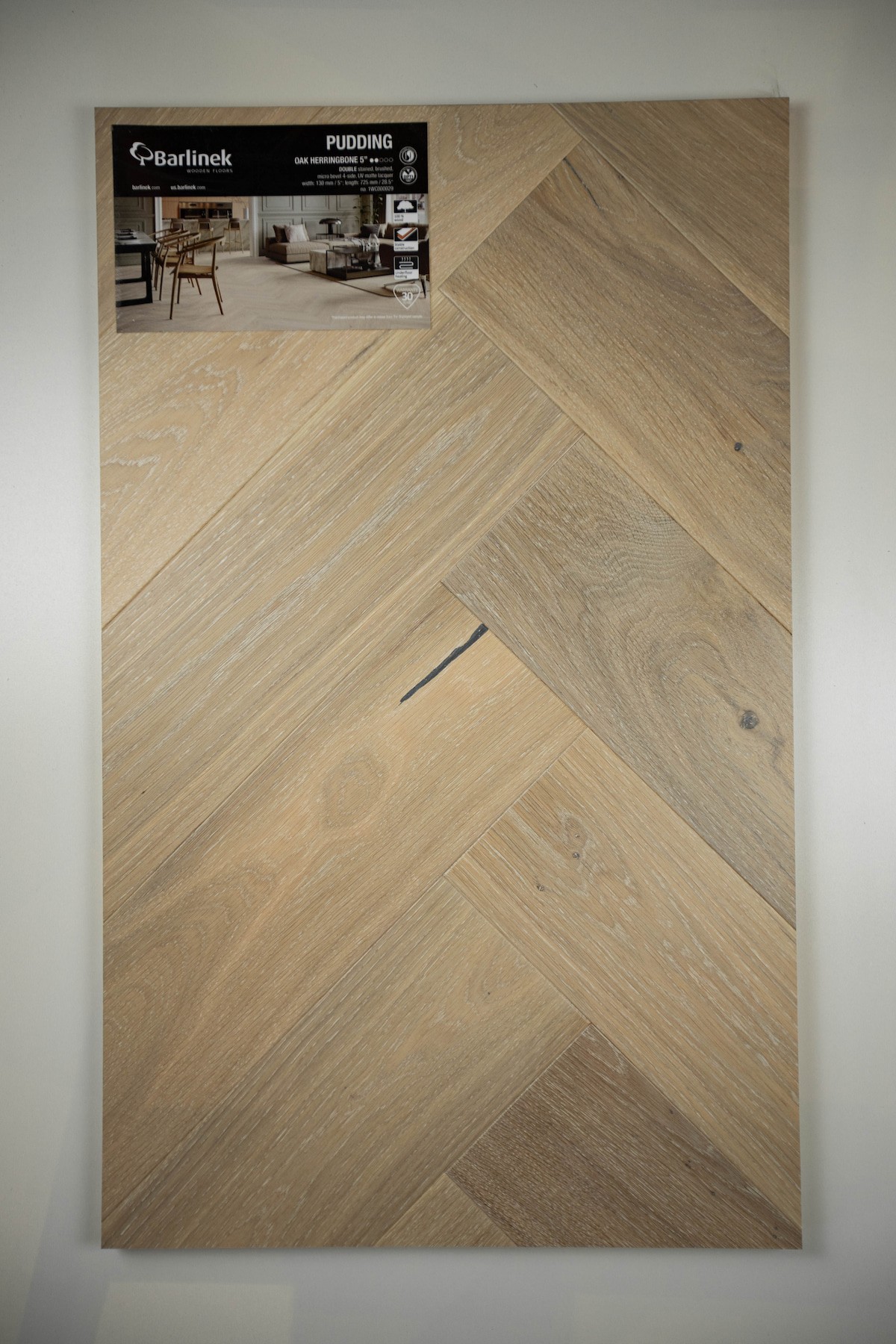
Pudding Oak Hardwood Flooring
Choosing Your Wood
SPECIES, GRADES & MATCHING
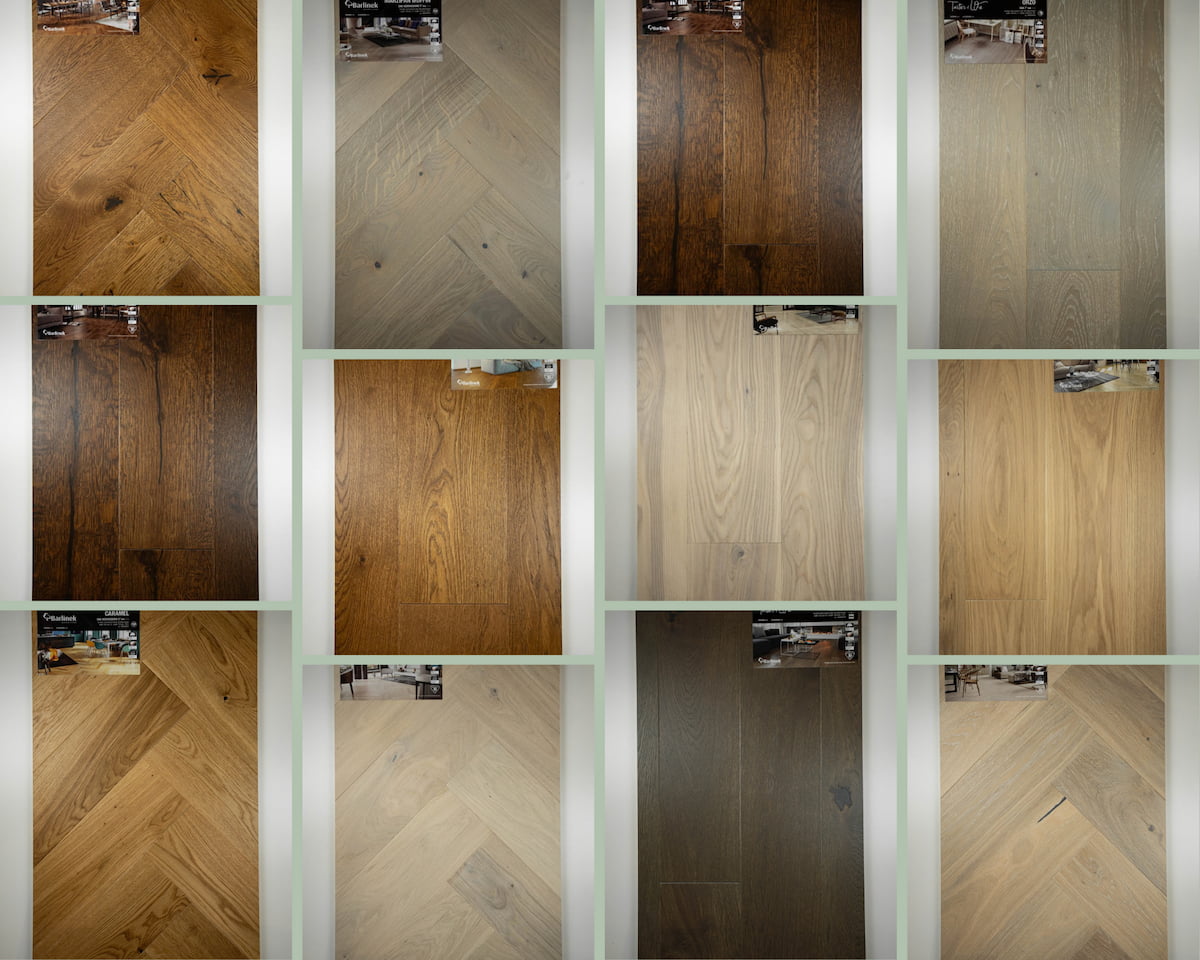
Width, species and cut all have to line up. Most American homes built between about 1900 and 1960 were laid in 2¼″ plainsawn red oak strip, so a patch in 3¼″ white oak will always read as a patch, however well it is finished.
Bring in a loose board or an offcut and we will match it against stock. If the floor has been stained, we match the raw wood first and color to it afterwards. Matching to the stained surface is how people end up with a repair that looks right the week it goes in and wrong two years later, because the new wood and the old wood do not age at the same rate.
Grade describes appearance, not strength. Select is the cleanest: long boards, little color variation, few knots. #1 Common carries more character marks and shorter average lengths, and #2 Common more again. All three are equally sound underfoot.
What changes is the look of the finished floor and the price per square foot, plus how much extra you have to order to cover the waste. Grade is also why a floor sometimes does not match the sample it was chosen from. If you are matching an existing floor with plenty of character in it, Select can sit oddly next to it.
Red oak is the default, and for sensible reasons: it takes stain evenly, it is easy to match, and it is what most existing floors in the region already are.
White oak is harder and closes up tighter against moisture, which is worth paying for in a kitchen or an entry hall. Maple is harder still, but it blotches under stain, so it does its best work under a clear finish. Ash gives you a lighter, straighter grain at about the same hardness as oak.
Walnut is softer than any of them. It is genuinely beautiful, and it is not what you want in a hallway with a dog.
All of them move with the seasons here, which is why we acclimate material on site before the boxes are opened.