





Weles Wood Floor Services is fully accredited by the Better Business Bureau. See more on our BBB profile.
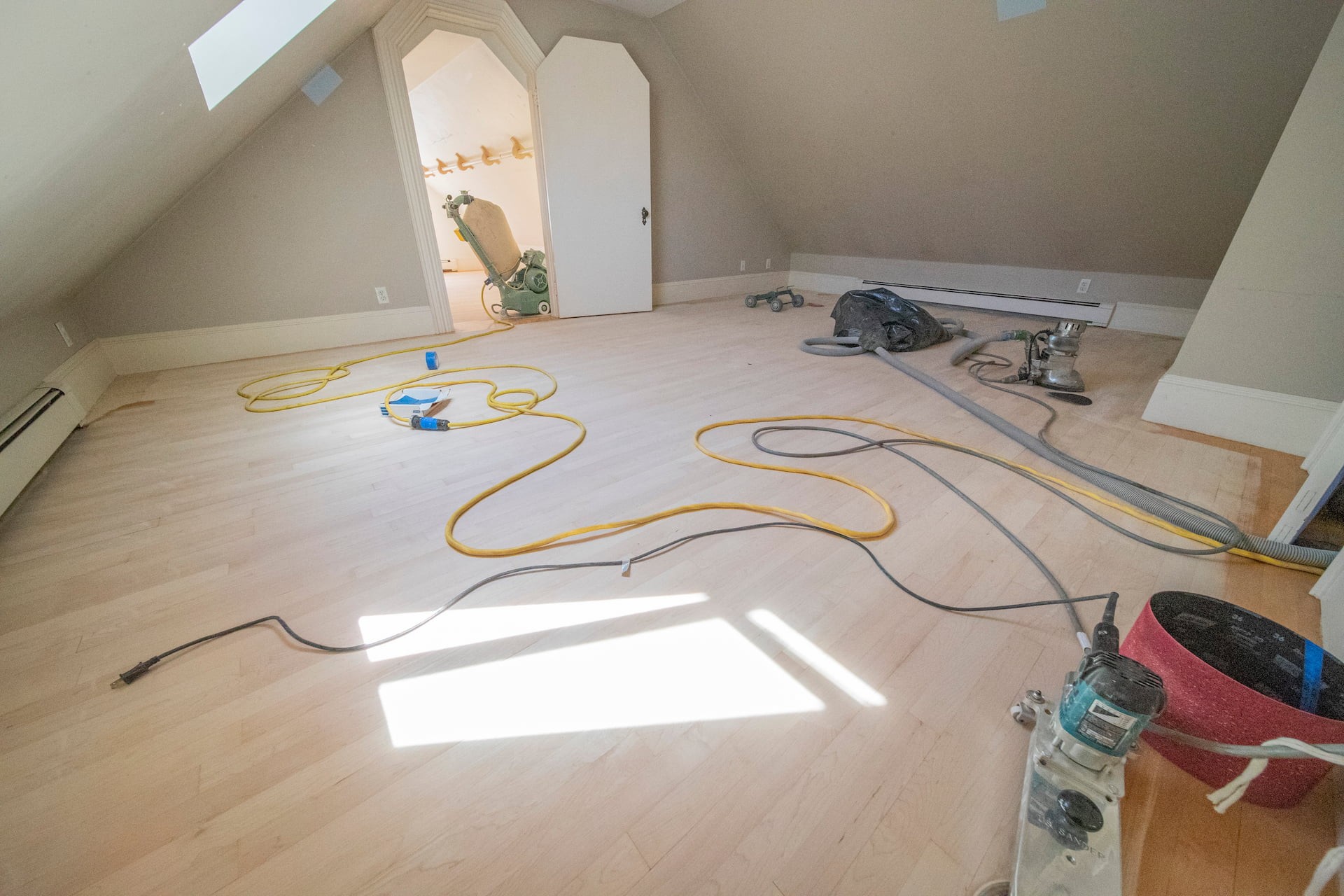
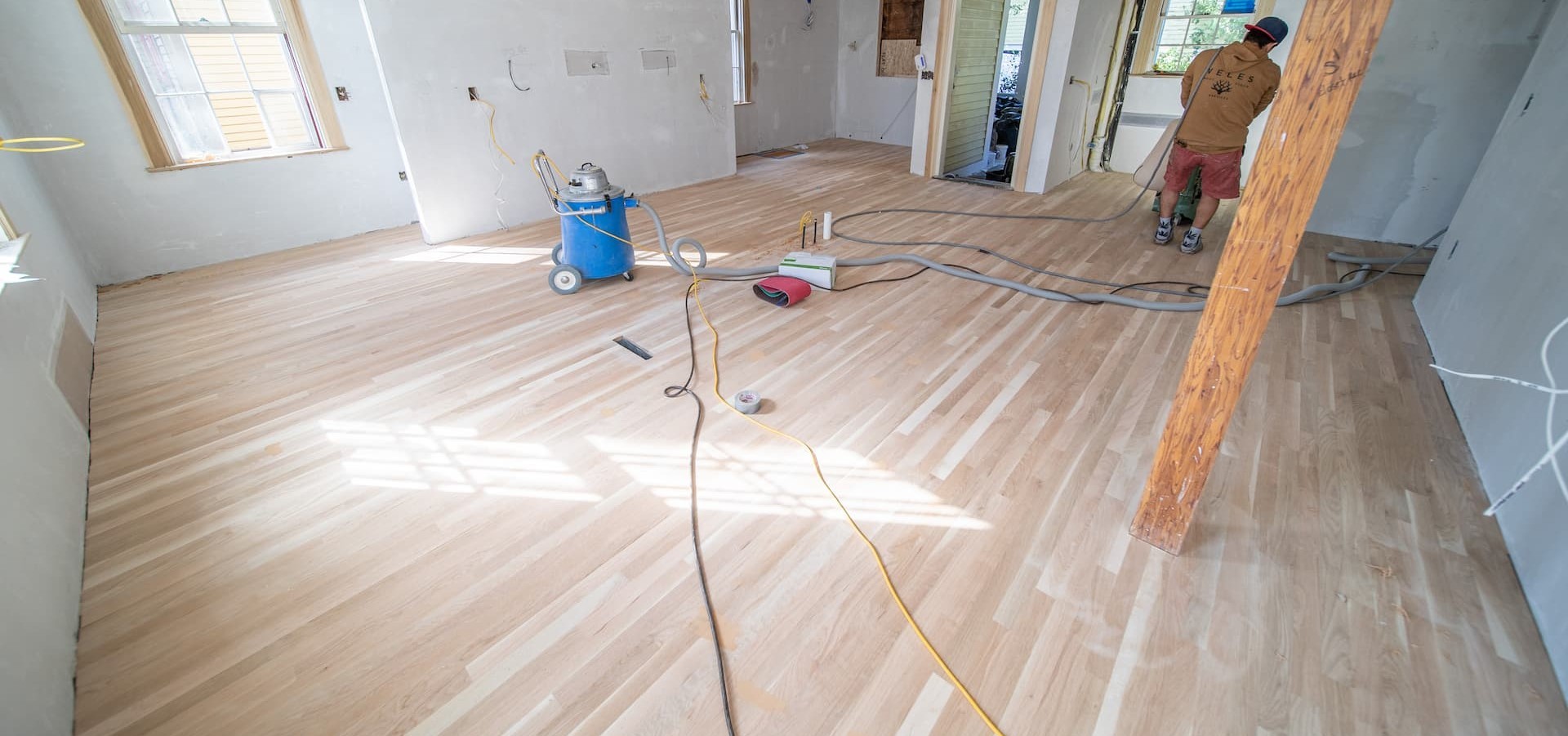
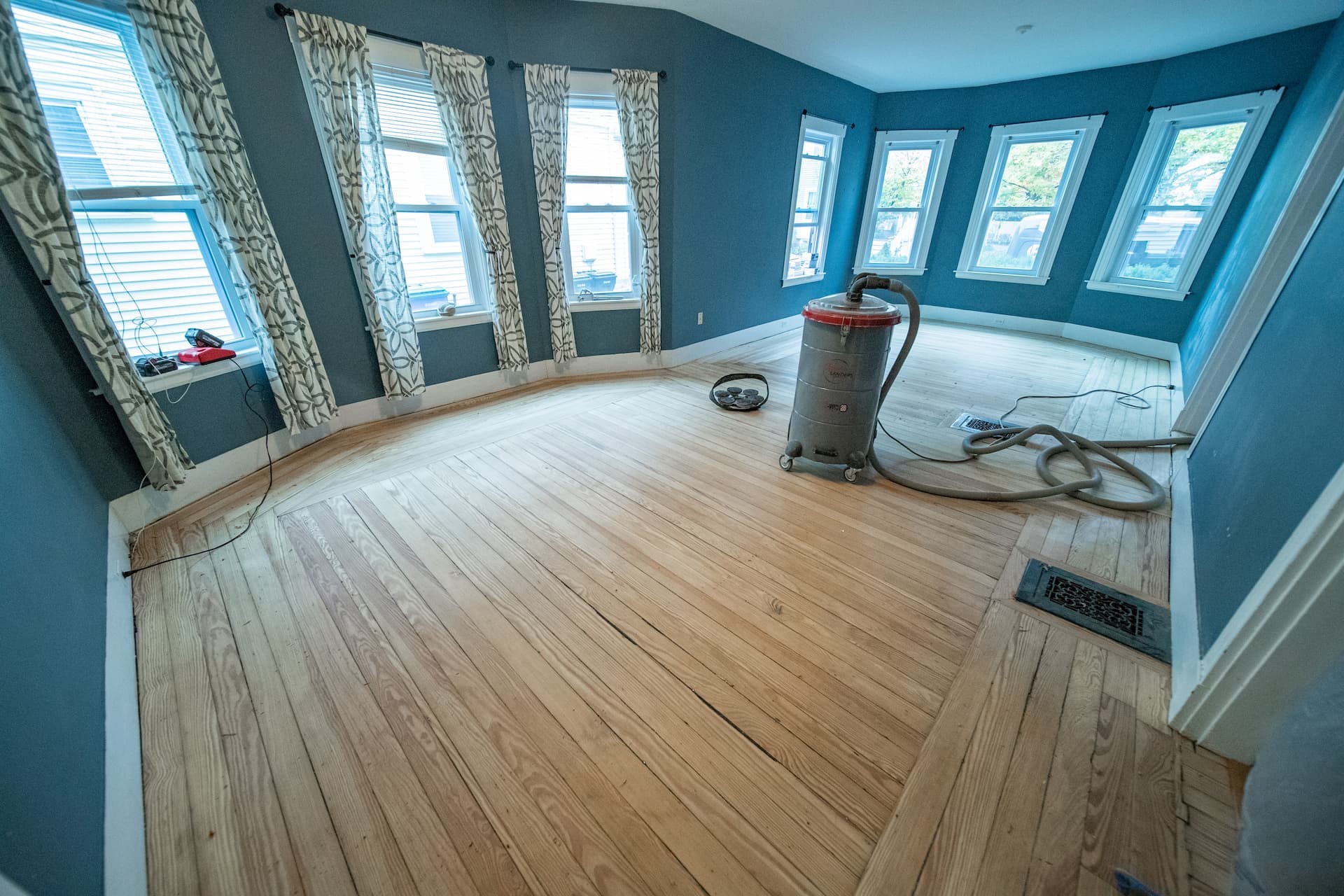
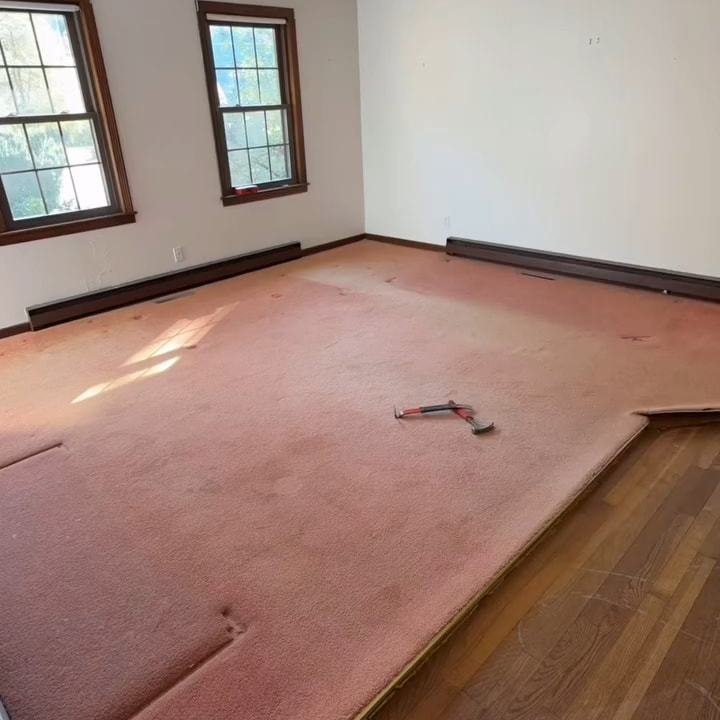
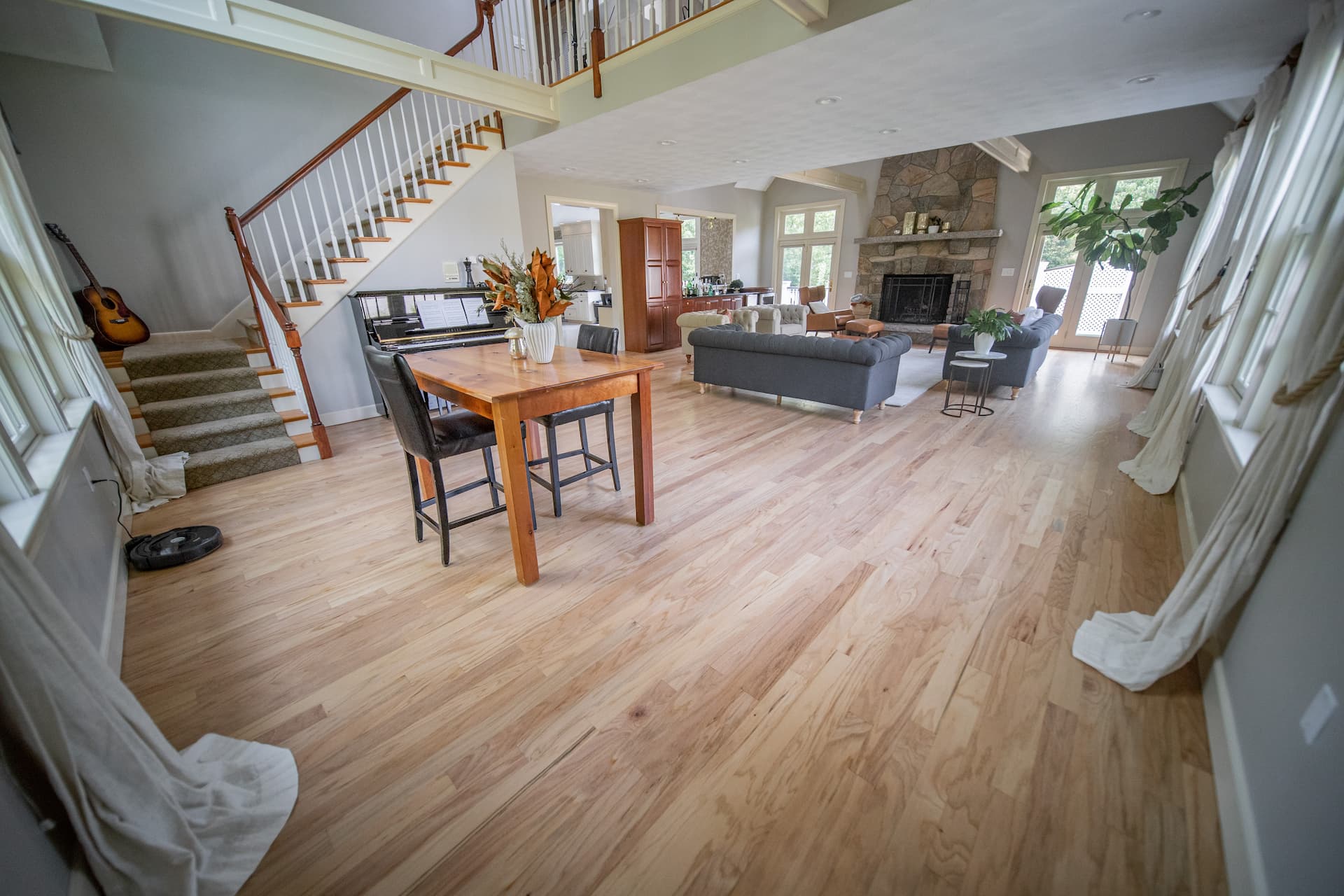
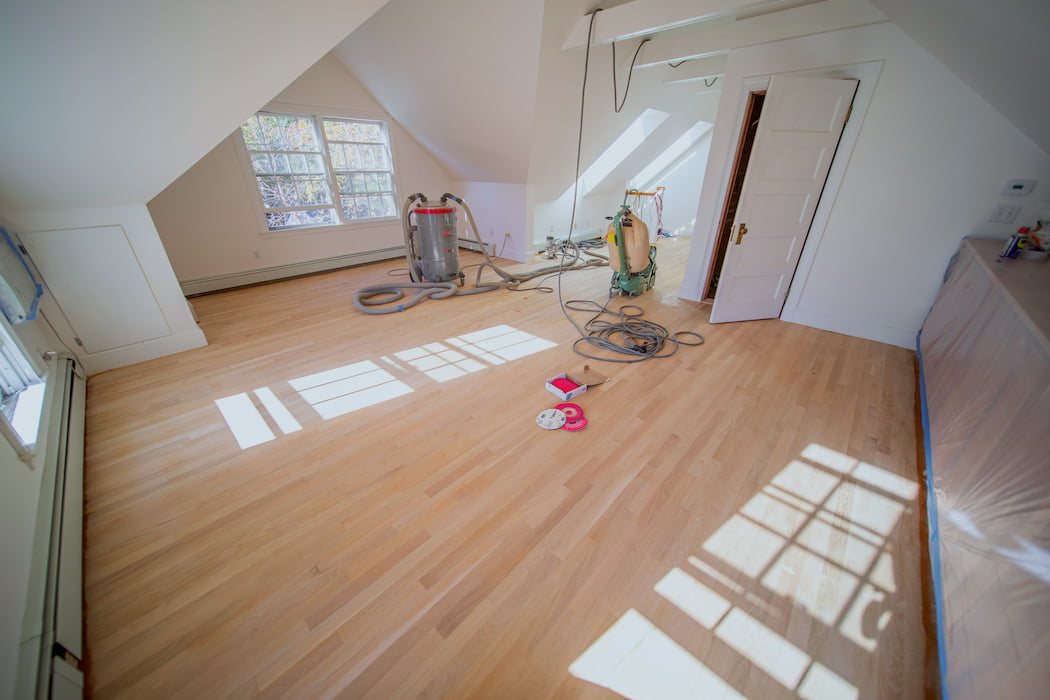
Most Wayland hardwood floors are not first-time projects. 34% of the homes town-wide were built between 1940 and 1959, with another 25% built between 1960 and 1979. Only 6.9% of the housing stock has been built since 2000 (MAPC housing needs assessment). That means the oak strip flooring in a Wayland ranch, split-level or center-entrance Colonial has usually already been sanded once or twice. Before we quote anything we look at how much wood is left above the tongue. That one measurement tells us if the floor can be refinished, if it needs board replacement in the worn lanes or if it is better off replaced altogether. We specialize in hardwood floor installation, refinishing and repair in Wayland, and since most of the homes are occupied single-family houses – 89% of Wayland units are single-family, well above the 76% state figure (housing.ma) – the mess is as important as the finish. We have a HEPA-filtered vacuum system that removes airborne dust at the source, and it reduces airborne dust by approximately 90–95% during sanding. We seal off the rooms we are not working in with plastic film.
Three very different floor conditions turn up inside one MetroWest town. The 19th-century village core of Wayland Center is contained in a local historic district first adopted in 1965 and administered under Chapter 40C, with the Bow Road district added in 2003 (Wayland Historic District Commission). Hundreds of Wayland properties are listed in the state inventory (Massachusetts Historical Commission). Those older floors are usually narrow, thin and hand-nailed. We sand conservatively and repair instead of removing. Many houses around Dudley Pond and Cochituate started out as seasonal cottages and were later winterized or expanded (Wayland Museum & Historical Society). This often results in mixed floor heights and framing added in stages. In the post-war subdivisions, we do more with sound 2¼-inch oak that just needs a full resand. For open-plan additions and newer townhomes, where the surface is clear and flatness is visible in raking light, we can step up to the Lagler Trio, a fine sanding machine available from about 5 percent of Massachusetts flooring companies, which removes straight and chattering marks for a furniture-quality surface.
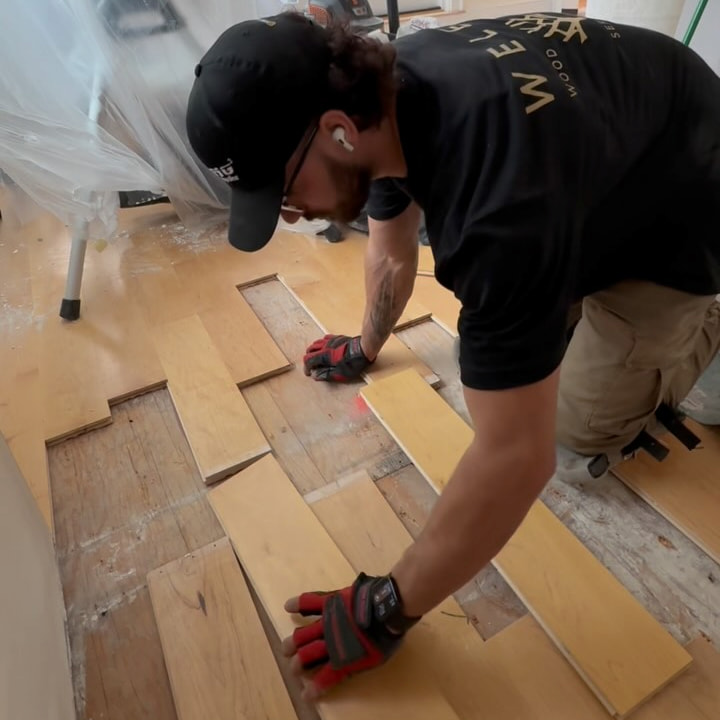
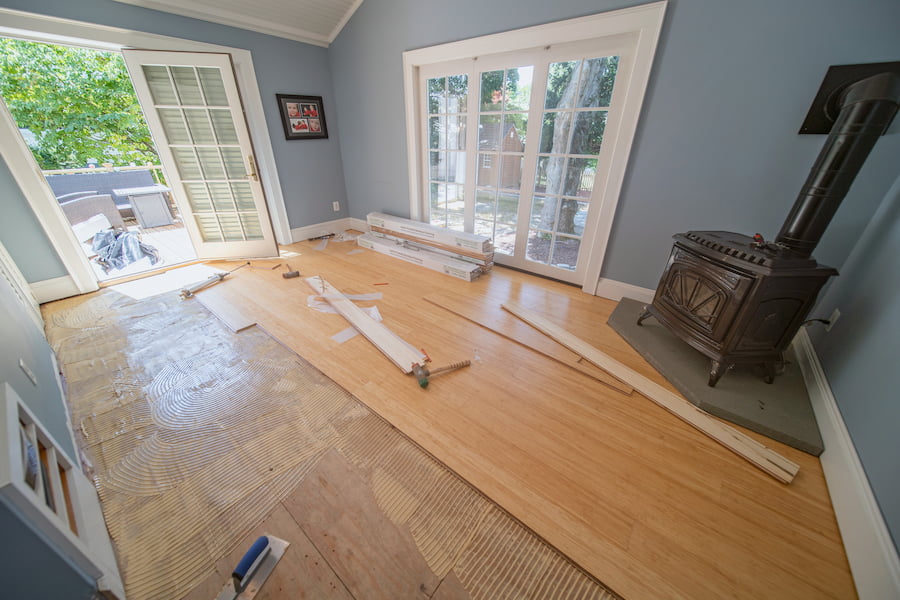
Moisture deserves particular attention in Wayland. About 20% of the town is preserved open space, including part of the Great Meadows National Wildlife Refuge (Wayland Conservation Commission), and about 85% of that refuge is freshwater wetland bordering the Sudbury and Concord Rivers (U.S. Fish & Wildlife Service). Homes near the river corridor, Dudley Pond and Lake Cochituate are closer to groundwater than the town average. Damp crawl spaces show up in subfloor readings long before they show up in a floor. Humidity fluctuations in eastern Massachusetts (annual precipitation 45 to 55 inches, January normals near 30°F, July normals in the low to mid 70s, NOAA Climate Normals) will cause solid wood to shrink in winter and swell in summer. We start every installation with a moisture-first sequence. This includes several days of on-site acclimation, subfloor flatness and moisture readings with high-sensitivity meters, moisture barriers where the site requires them, and no more than a 4% moisture differential between subfloor and hardwood before anything is fastened. Boards wider than 3¼ inches also receive glue assist.
Finishes You Can Live With
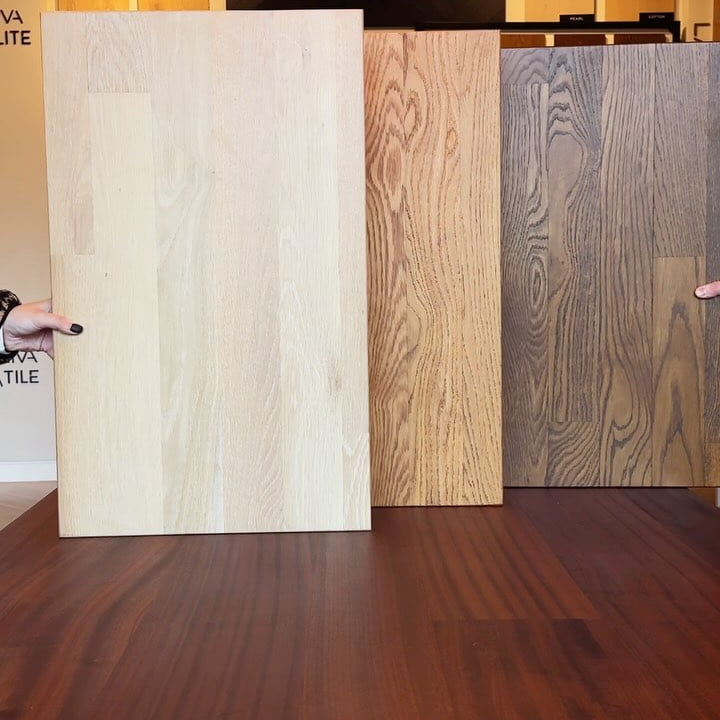
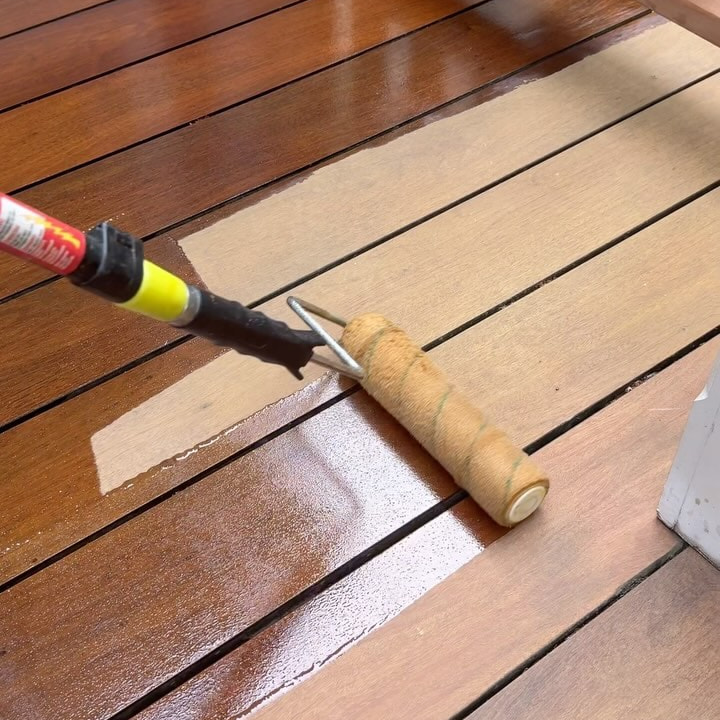
Wayland is a town of single-family homes, and most of our projects here are with the family still living in the home. Oil-based polyurethane is 700 VOC, so no one can stay in the home while it’s applied, and it takes 14 days before furniture can go back. Most often we recommend the Bona Mega One (200 VOC, fully cured in 5 days) or the Bona Traffic HD (150 VOC, fully cured in 3 days), both low enough that you can stay in the house while coating. Traffic HD is the most durable water-based finish on the market and it maintains its color over time, which is important in rooms with strong afternoon light. Around the school year, a 3-day cure instead of 14 is usually the difference between a project that fits your calendar and one that doesn’t.
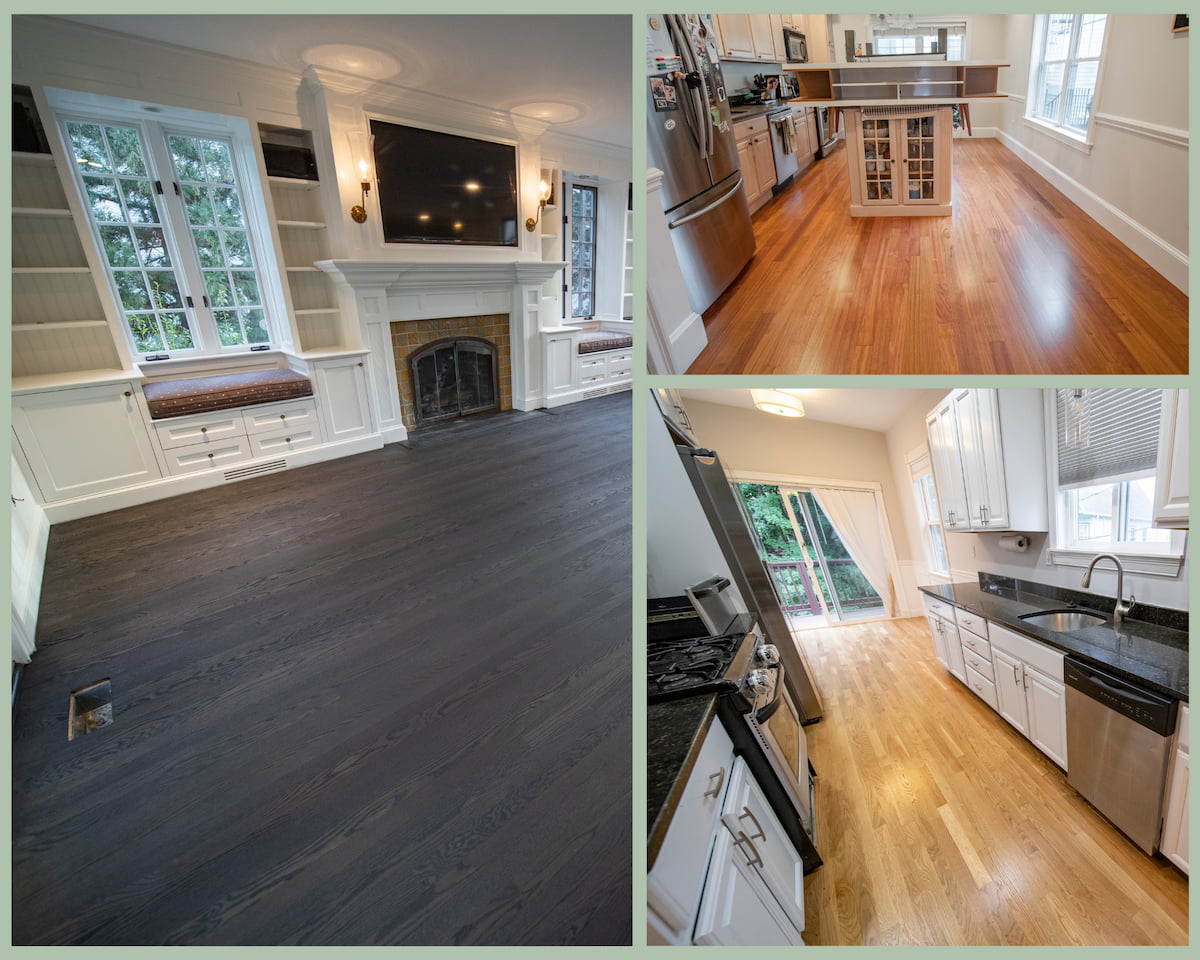
We’ve worked in homes and commercial spaces throughout MetroWest, and Wayland’s combination of pre-1939 houses, mid-century subdivisions and newer construction spans most of what we see day to day. See our portfolio of completed projects and sanding comparisons. If you would like to see the machines and the process before you commit, check out our YouTube channel. In our wood floor repair and restoration work, we repair water damage around entries and kitchens, cupping after a humid summer, gapping after a dry winter, worn traffic lanes, pet damage – so the floor works for how your home is actually used, not just how it photographs.
 Long-term Investment
 Proper Installation
 Moisture Regulation
 Appropriate Underlayment