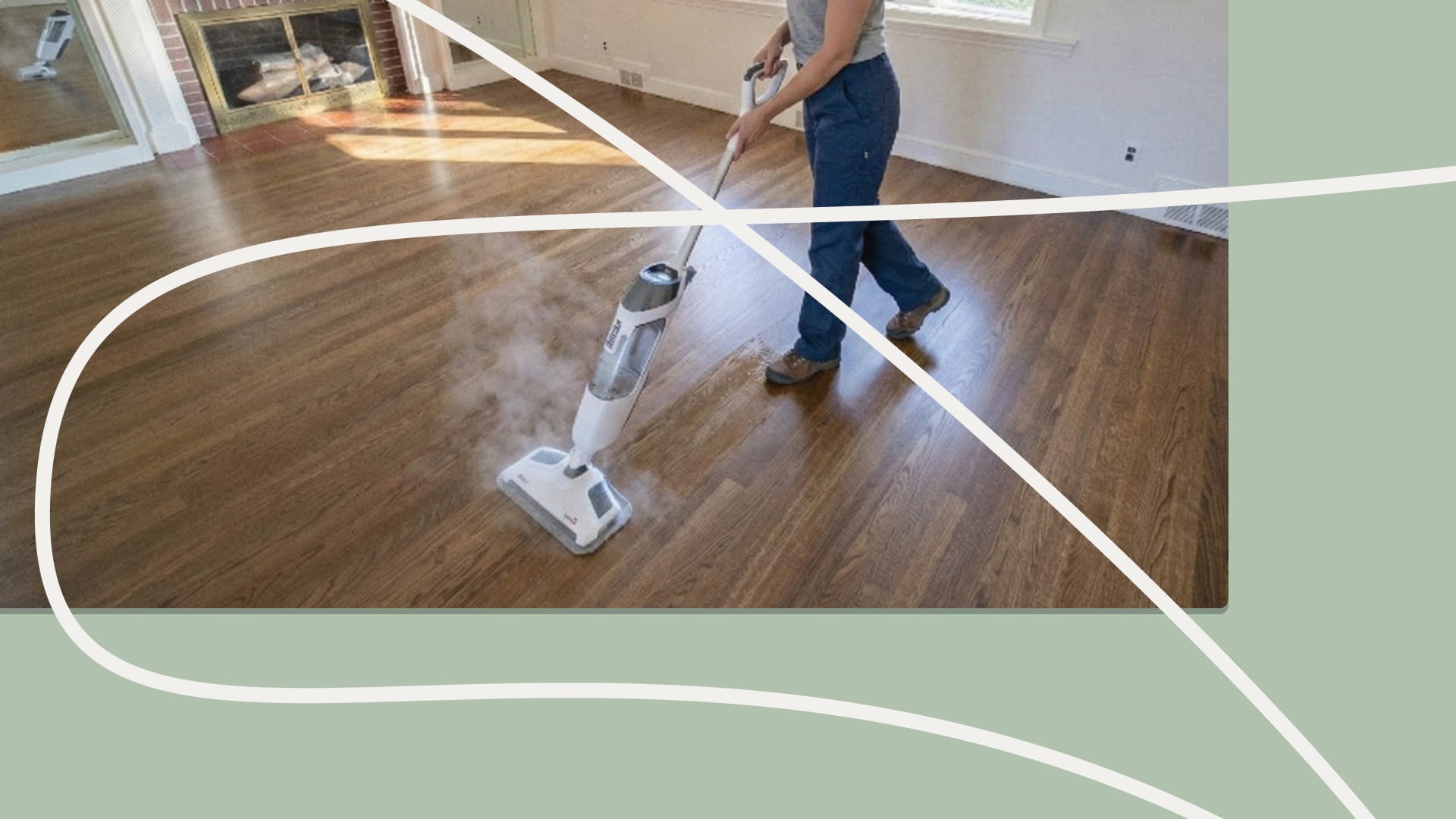





A common question from homeowners is how to use a steam mop on hardwood floors. Experts in the field and floor builders usually tell people to be careful. People who work for the National Wood Flooring Association (NWFA) say, “Don't use wet or steam mops; they will damage the finish and the wood over time.” People are worried that the steam's heat and wetness can get through the wood's finish and damage it in other ways. In fact, the NWFA's consumer toolkit says that you should never steam clean or damp mop a wood floor.

Tip: Daily dry dusting or vacuuming with very little water is the best way to keep hardwood floors looking great. Steam mops use water and heat that can damage the finish.
Risks of Steam Cleaning Hardwood
Hardwood is a natural substance that changes shape when it gets wet. Vapors that are very hot can be pushed into tiny cracks and seams by a steam mop. The heat also breaks down the protection finish on the floor. A professional cleaning service called COIT says that “steam can break down the finish of hardwood, letting water seep in and damage the wood.” When heat and water come together, boards can swell, break, or stain over time. In real life, even a short steam treatment might seem safe at first, but using it over and over again can damage the finish. So, the cleaning lab at Good Housekeeping says, “most floors in homes are not perfectly or completely sealed.” Small scratches or worn spots make it easier for steam to get into the wood, which warps or dulls it and may even void the warranty.
Official Recommendations
Big groups in the business world all say that steam mopping solid wood floors is not a good idea. There are two groups that tell people not to use steam cleaners on wood: the NWFA (USA) and the WFCA (World Floor Covering Association). The Spruce says that “all of the major wood flooring associations agree that steam cleaners should not be used on any surface of hardwood flooring.” That means that if you put in wood floors, you should follow the care instructions that came with them. They say to only use hardwood cleaners that are on their list or a microfiber mop that is just barely damp. They say not to use a soaking wet or steaming method. Leading magazines agree with this: Good Housekeeping says that for wood floors, “the convenience [of steam cleaning] isn't worth the potential cost.” In short, reputable sources say that steam cleaners should not be used on wood, no matter what the ads say.
“Never damp mop or steam clean a wood floor.” — NWFA Consumer Outreach Toolkit (PDF)
Consumer Reports advice on steam mops and wood includes this warning: “Drastic temperature changes and moisture may warp the wood.”
Rare Exceptions: Sealed Floors
Sealed floors are one rare exception. The only time this isn't true is when the floor is very well sealed. Some companies that make steam mops and cleaning experts say that modern “dry-steam” machines (which don't use much water) can be used carefully on hardwood floors that have been perfectly sealed. Lowe's, for example, says that steaming “can be done safely by following a few precautions,” like making sure the floor is completely sealed against water. Also, Dupray, a company that makes steam cleaners, says that “steam cleaning is absolutely safe for sealed hardwood floors” and that modern dry steam (less than 5% water) will not hurt sealed wood. The finish is very important. If water beads up on top and the sealant on your floor is in great shape, a light, low-steam pass might not hurt the wood right away. But this doesn't happen very often in normal homes. The Good Housekeeping Lab says that even floors that are “sealed” usually have tiny holes in them that let steam in. This is because of normal wear and tear like foot traffic and scratches. In real life, steam mopping is very dangerous unless you know for sure that the finish is perfect everywhere.
-
It's not safe most of the time. A thin layer of real wood is on top of plywood in engineered wood. Steam and water can separate the layers. The Spruce says, “Do not use steam to clean engineered flooring,” because the steam can damage the wear layer and break down the glue.
-
Even hardwood that has been finished in a factory is weak. A polyurethane finish on fresh wood can be tough, but it still needs to be sealed well. If the finish is new and doesn't have any cracks, you might be able to be very careful (low steam, keep moving). But groups like NWFA still say that you should stay away from steam completely. Even a small crack lets water in.
-
For tiles or furniture, steam is a great way to clean, but it's not worth it for wood. The short period of high heat won't make up for the damage it does to the moisture. If you want germ-free floors, use a disinfecting spray or hardwood cleaner first, then a dry cloth.
Safe Cleaning Alternatives
To keep hardwood looking its best, use methods that have been shown to be safe and gentle. To get rid of dust and grit, sweep or clean the floor often (on a bare-floor setting). When you mop, use a microfiber mop that is only slightly damp and a pH-neutral cleaner that is safe for hardwood floors. For example, lightly spray Bona or another suggested brand of wood cleaner on the floor and wipe it up right away. Don't let the cleaner soak into the wood. Spills should be cleaned up right away with a dry or almost dry cloth, since even clean water left to sit can damage wood. In fact, the NWFA says to only use products that the manufacturer recommends and never use vinegar or harsh chemicals on wood. These methods keep the shine and protect the wood fibers by reducing the amount of water and rough scrubbing. Basically, the “best way” to keep floors clean and avoid damage is to dry sweep and mop very lightly.
Suitable for Steam Mop
Floors made of ceramic or porcelain tile, stone, or vinyl that has been sealed properly. These surfaces aren't made of wood, so they don't absorb water and can be cleaned with steam. If you use a low steam setting and keep moving the machine, you can sometimes steam hardwood that has been sealed as long as the finish is perfect.
Not for Steam Mop
Any kind of wood that has gaps or a worn finish is not solid hardwood. These floors are good at soaking up water. NWFA and WFCA both say that steam should not be used on any wood floors. When put under steam, wood floors with flaws in the finish (like scratches or cracks) will bend or buckle.
If you already used a steam mop once
These days, tools say they can work safely on “sealed” wood, but in most homes, wood floors aren't completely waterproof. We suggest that you take good care of your hardwood floors by dry cleaning them often and mopping them with little water. Instead of risking a steam mop, talk to a professional floor cleaner about how to deep clean or fix your floors.
What to watch for in the next days
Small scratches or worn spots make it easier for steam to get into the wood, which warps or dulls it and may even void the warranty.
When to call a pro
Be careful: almost all warranties for hardwood floors don't cover damage from water. These warranties can be void if you use a steam mop, and you may have to pay a lot to fix it. Instead of risking a steam mop, talk to a professional floor cleaner about how to deep clean or fix your floors.
In conclusion, steam mops shouldn't be used on hardwood floors. Experts and floor makers say that steam cleaning wood is not a good idea. These days, tools say they can work safely on “sealed” wood, but in most homes, wood floors aren't completely waterproof. We suggest that you take good care of your hardwood floors by dry cleaning them often and mopping them with little water. This method keeps the shine on your floors safe and extends their life. Instead of risking a steam mop, talk to a professional floor cleaner about how to deep clean or fix your floors. If you follow these tips, you can keep your hardwood floors looking great without hurting them by accident.
Please note that the information here is based on advice from producers and experts in floor care. Before you try a new way to clean your floor, you should always check the care directions that came with it.
Questions or Feedback?
If you want us to review your floor case or clarify anything in this guide, send us a note.
Email: weles.usa@gmail.com