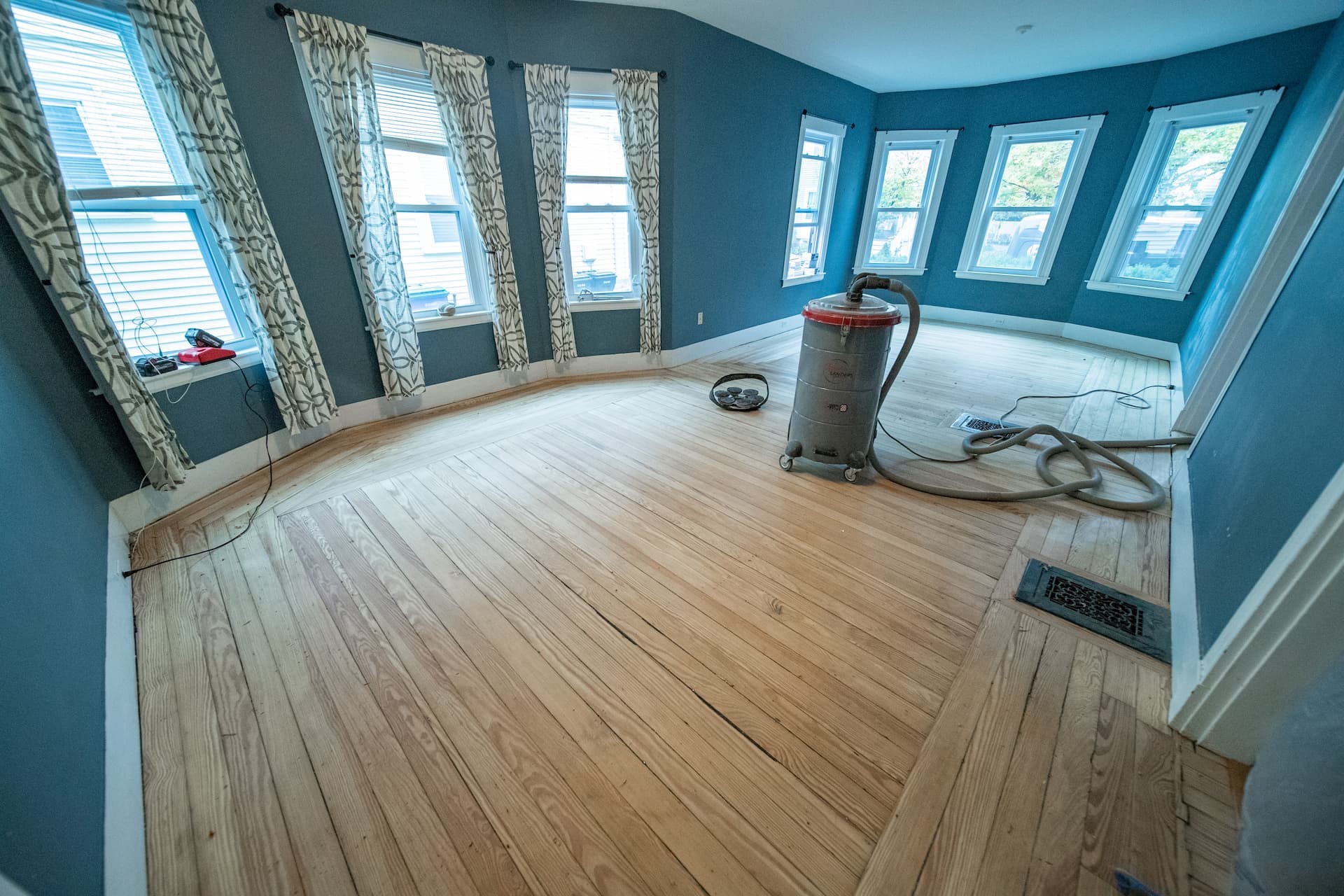
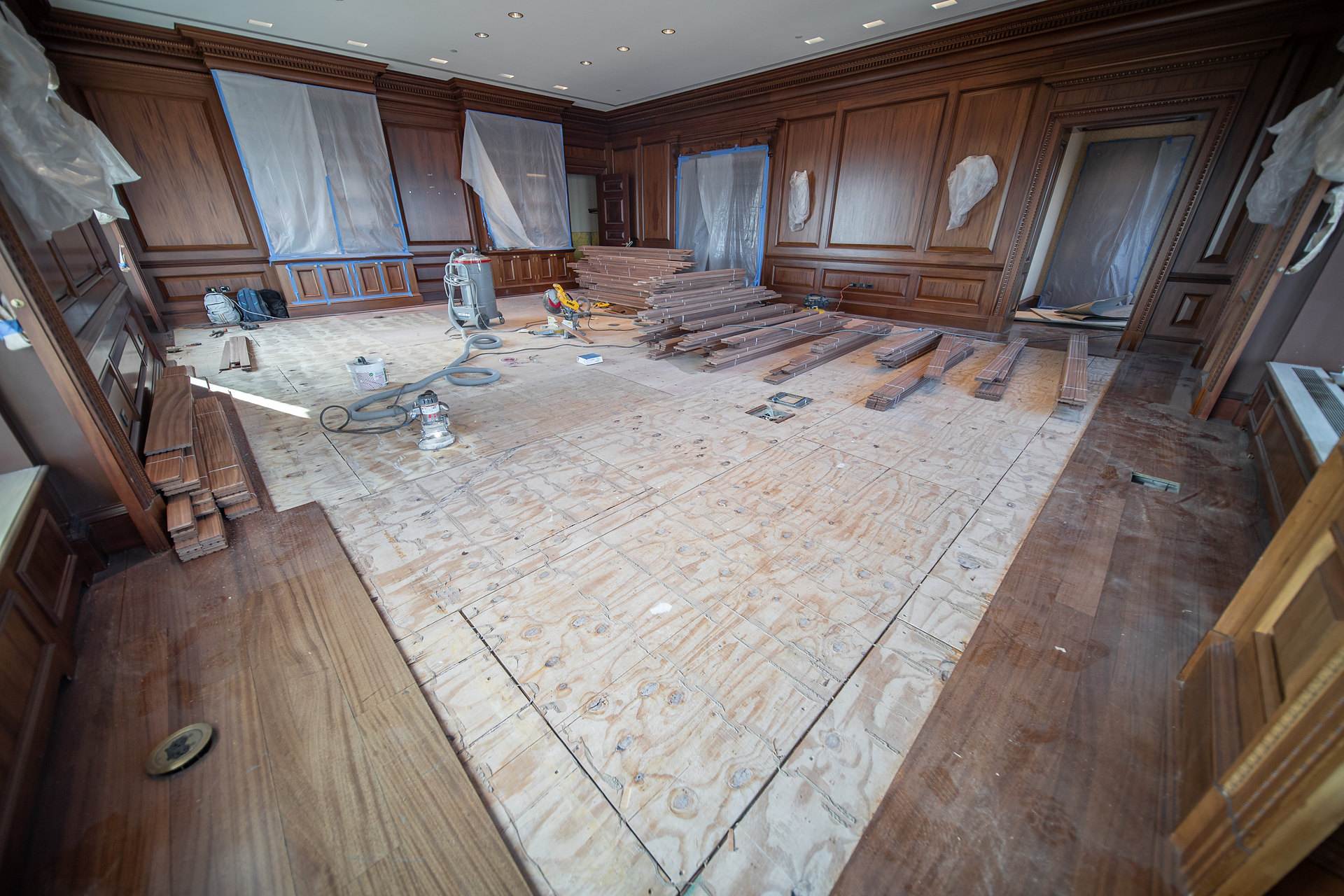
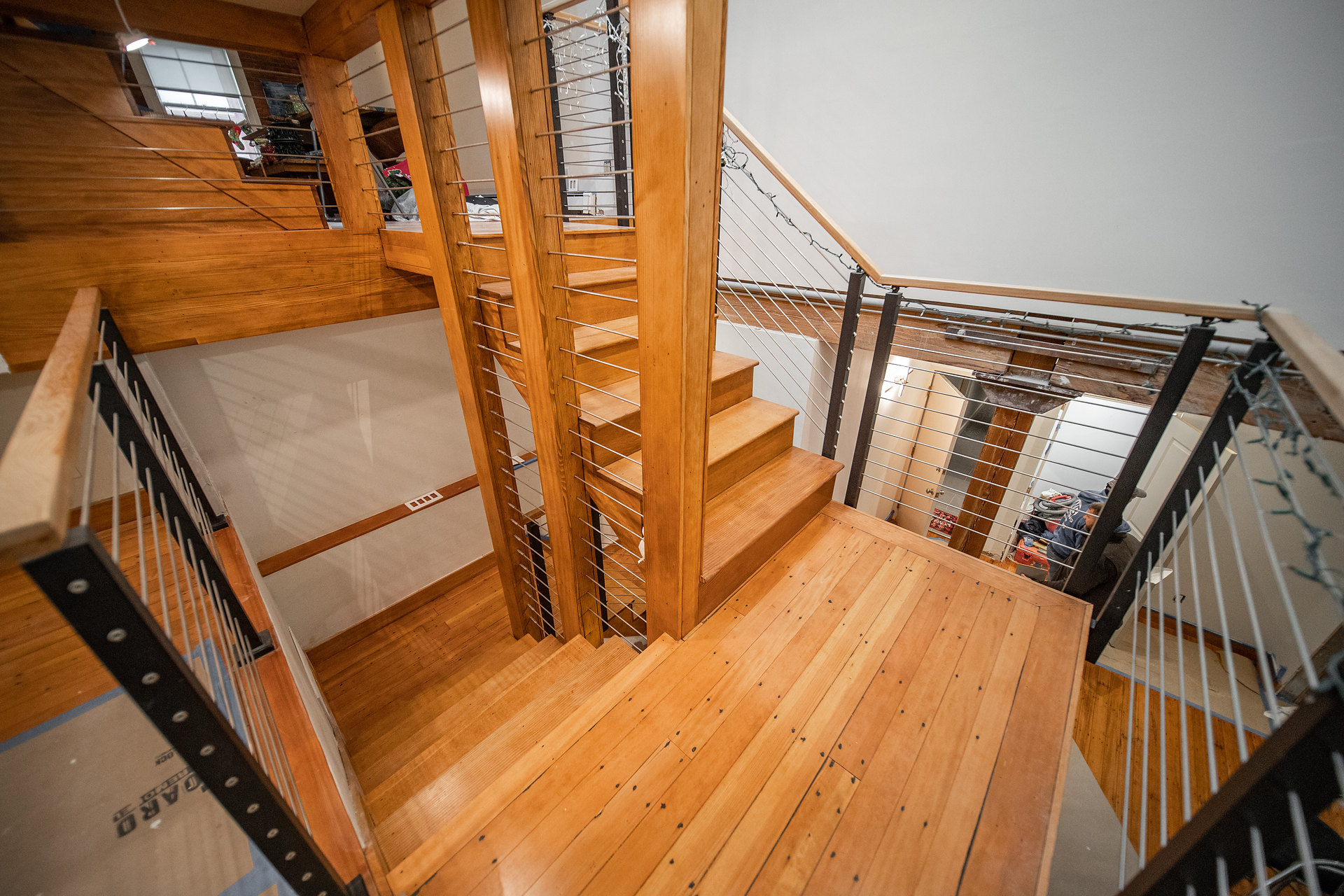
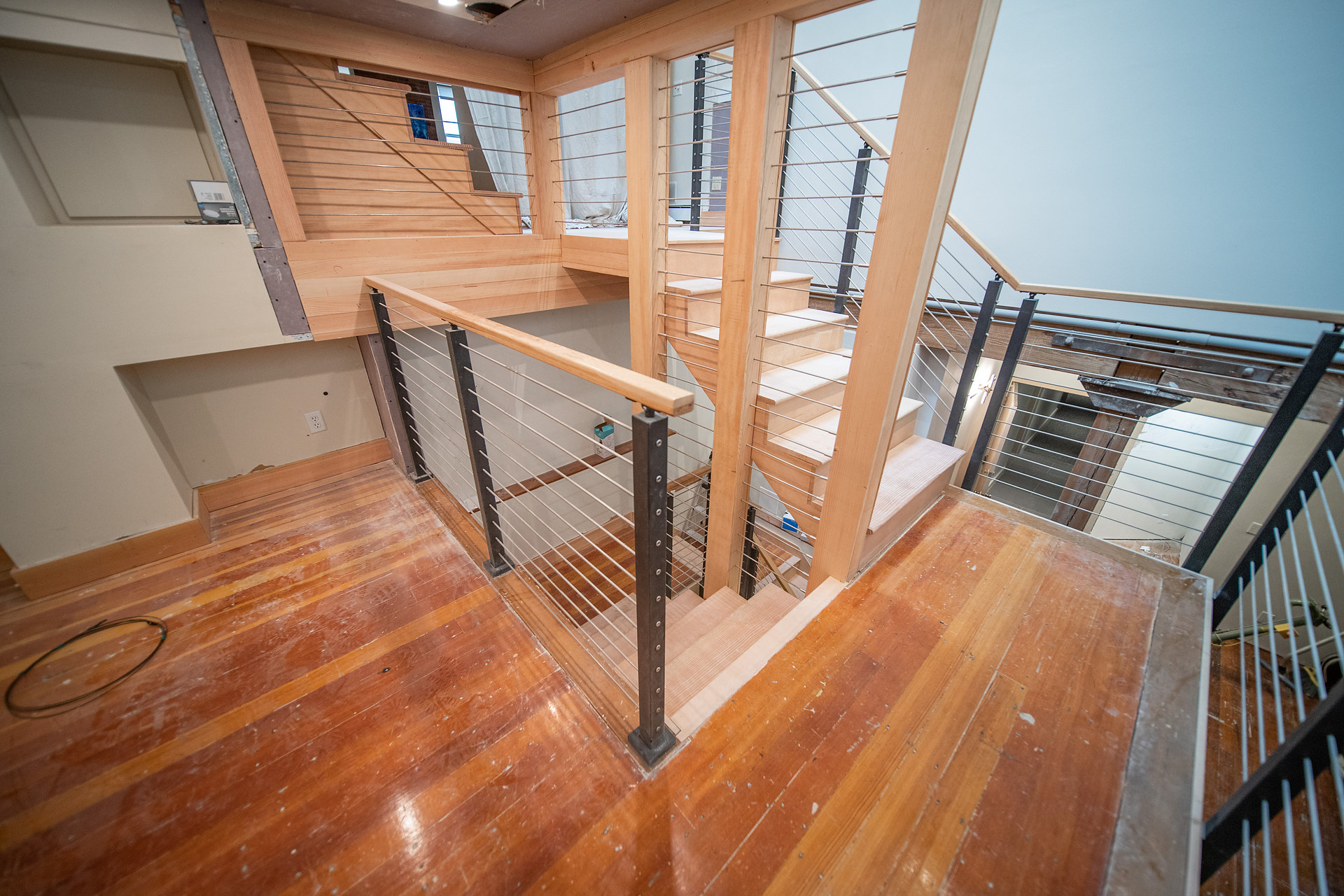
Back Bay and the South End are filled land, built out from the 1860s to the 1890s: Victorian row houses with narrow-strip oak over softwood subfloors that have been moving for a century and a half. Triple-deckers are another animal, and they sit in Dorchester, Jamaica Plain, Roxbury, South Boston and East Boston with fir or pine in the old ones and red oak in the others, on stair runs too tight to bring a machine up without disassembly. Condos in the Seaport, Fenway-Kenmore and Downtown are typically plywood or a concrete slab. Whatever you have, the first thing to look at is the amount of wood above the tongue. A hardwood floor sanded three or four times already may not take another pass, and we would rather say so before quoting than find out halfway through.
The job is different with most pre-1978 Boston housing. Sanding will disturb baseboards, thresholds, and stair risers, and in a building that old, those surfaces may carry lead paint. Lead-safe practices are required by federal law when they do, and the EPA’s Renovation, Repair, and Painting rule spells out what those are. Massachusetts has its lead law on top of it. Ask every contractor you speak to how they handle lead paint, and get the answer in writing before the sanding begins.
The building dictates the schedule before we do. Condo associations and property managers usually want a certificate of insurance naming the association as an additional insured before a crew crosses the lobby, books a freight-elevator window, or works kept inside posted quiet hours. We figure that out while quoting rather than on the first morning. In a triple-decker or a South End brownstone with no driveway, the problem is the street instead. Resident-permit parking, plus a truck or dumpster at the curb, generally requires a City of Boston street-occupancy permit, and those take time.
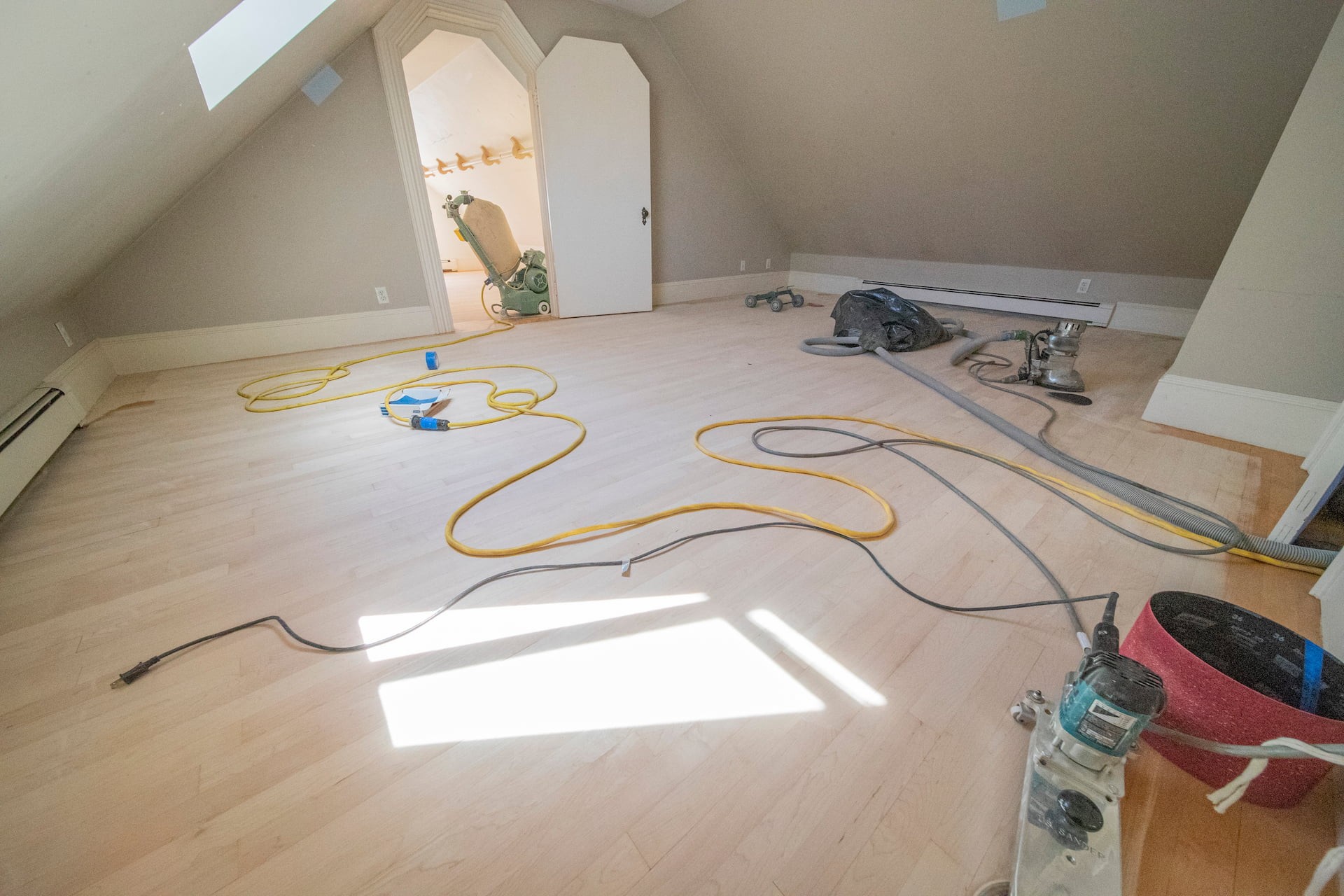
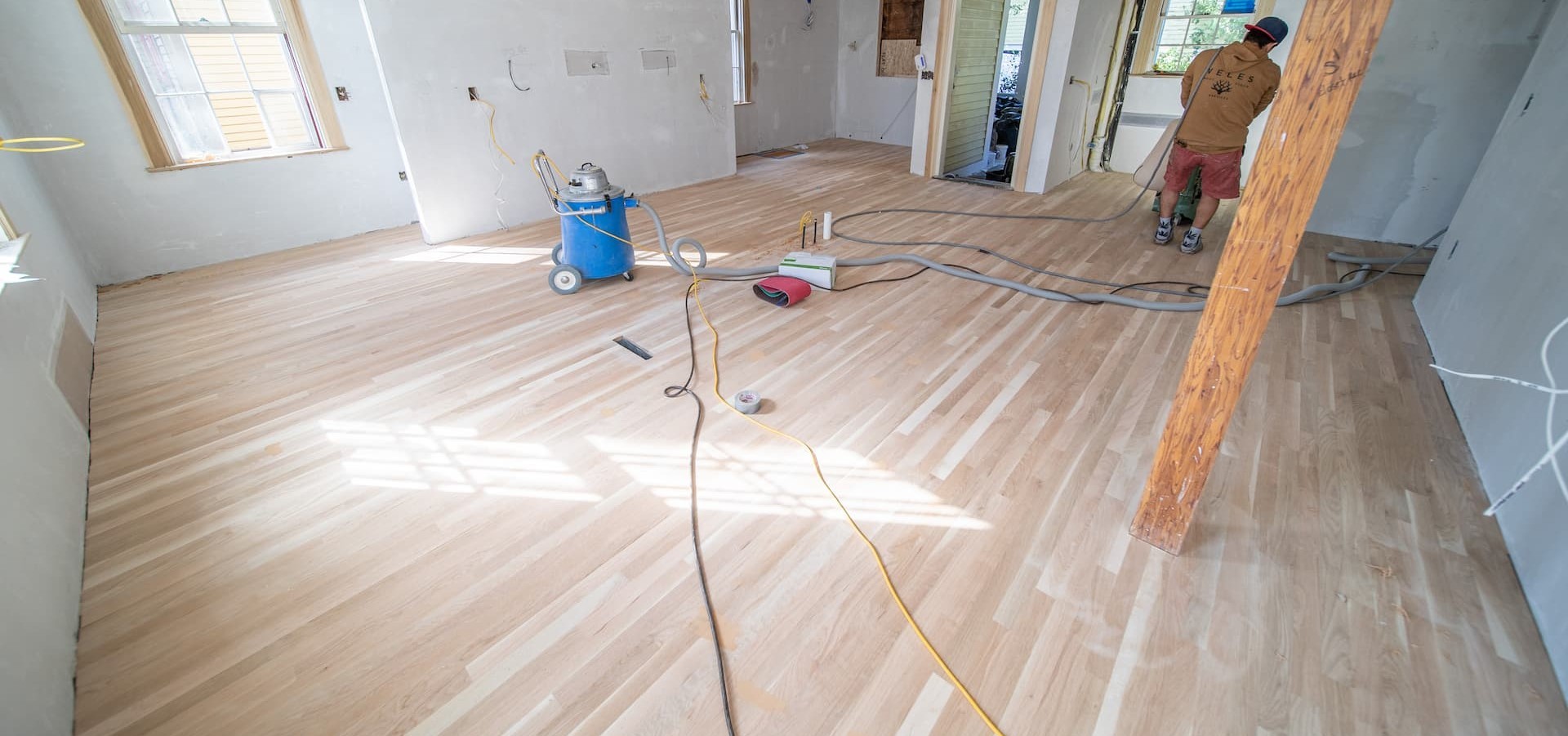
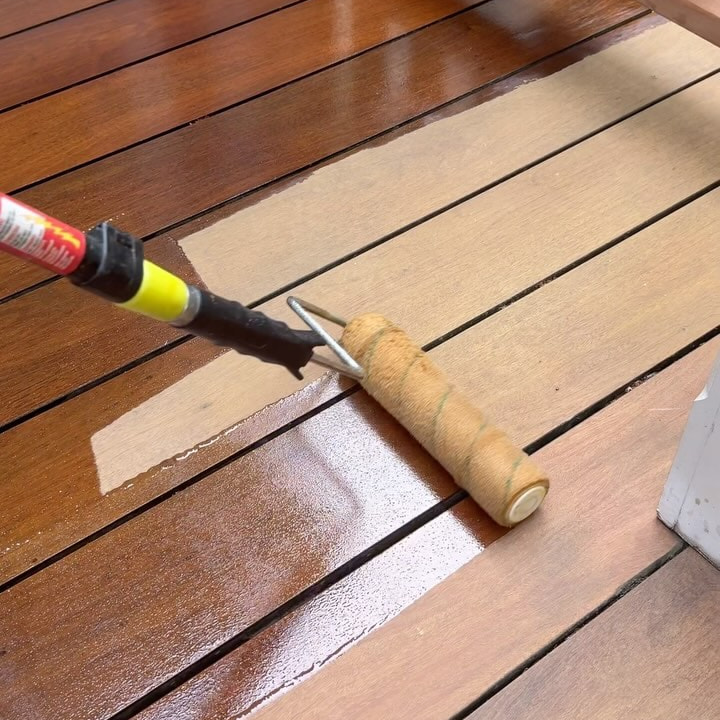
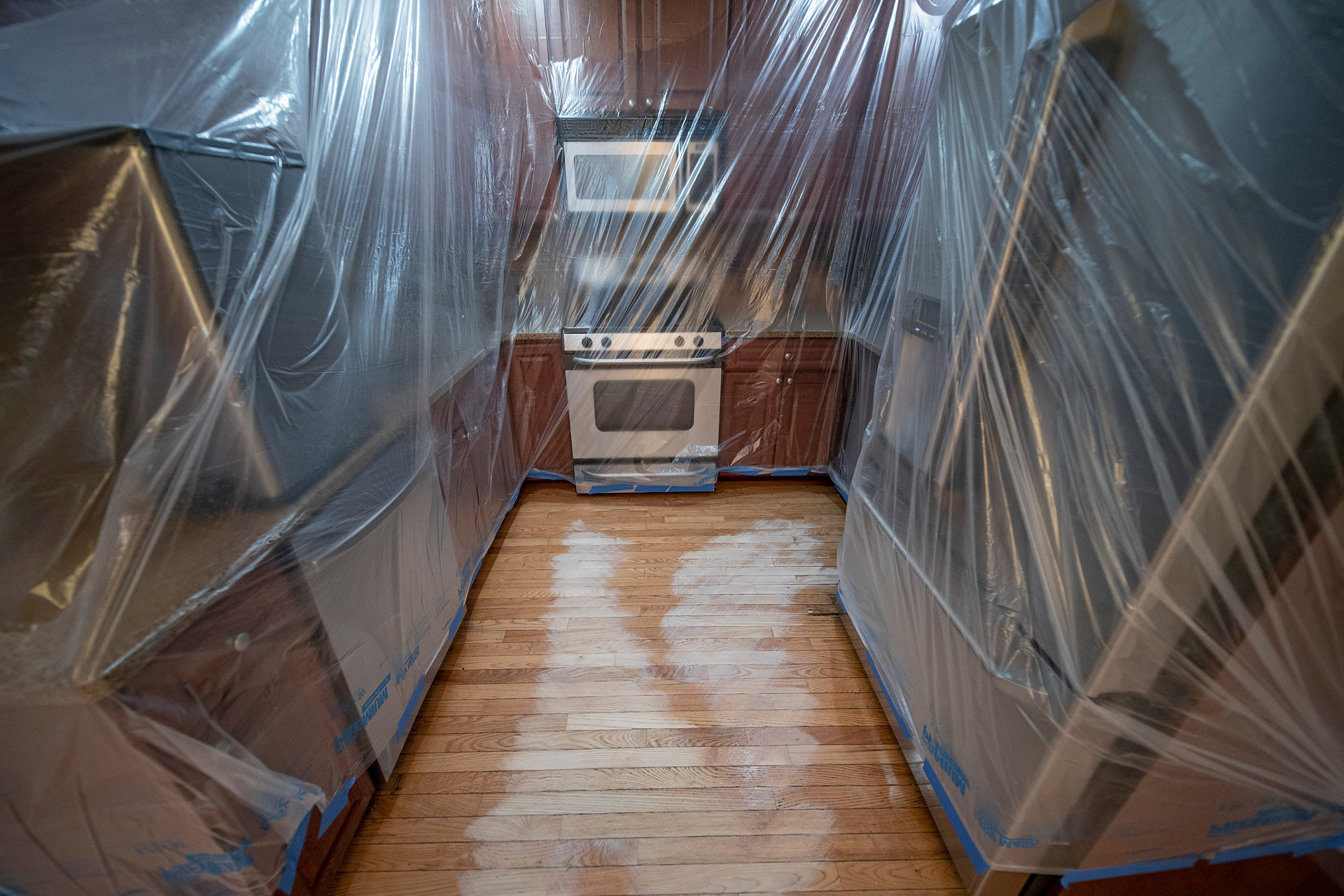
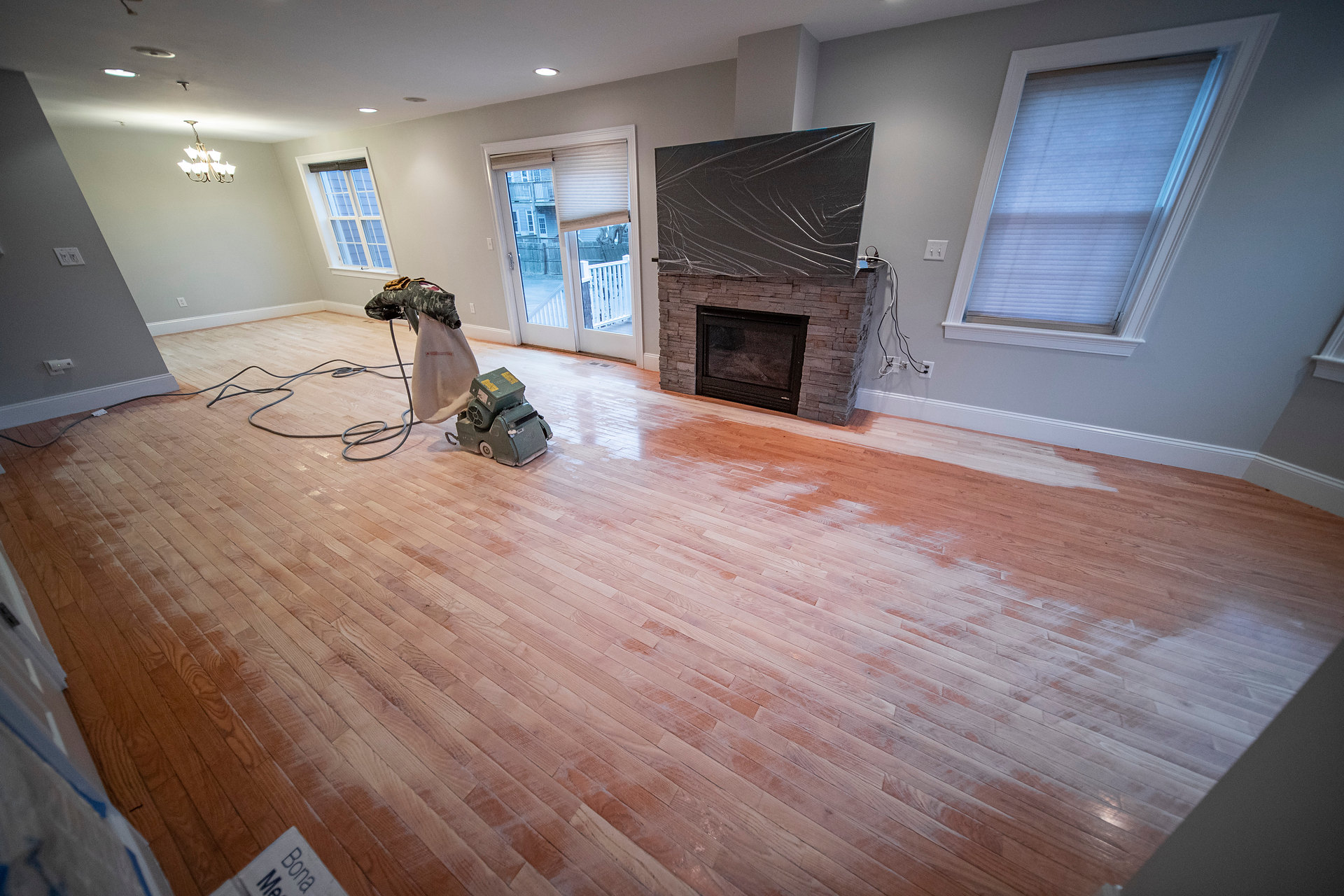
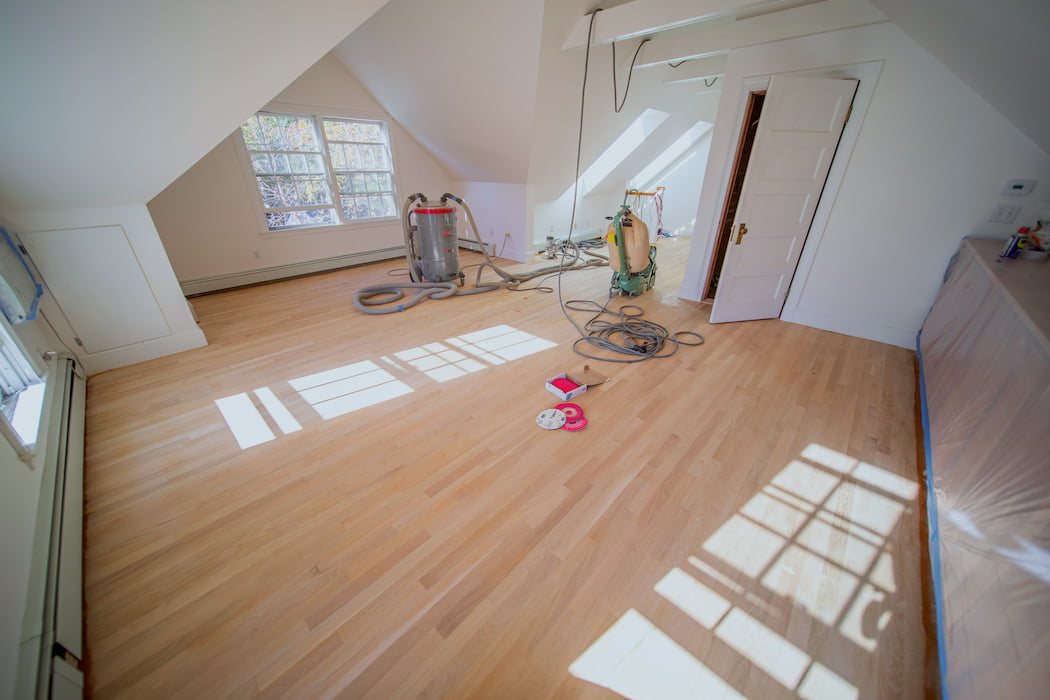
You can often stay in the house while we work. Our finishes are water-based and low enough in VOCs to coat right around you, at 150 VOC on the two-component system and 200 VOC on the single-component one, with each coat drying in one to two hours. Furniture is back after three to five days depending on which one we use. Oil-based polyurethane is more demanding: 700 VOC, twelve to fifteen hours between coats, fourteen days to full cure, and no one in the house while it goes down. We will tell you what finish we are quoting for and both dates before you sign anything. We go into full detail on our refinishing page, and we do dustless sanding on every job without charging extra for it.
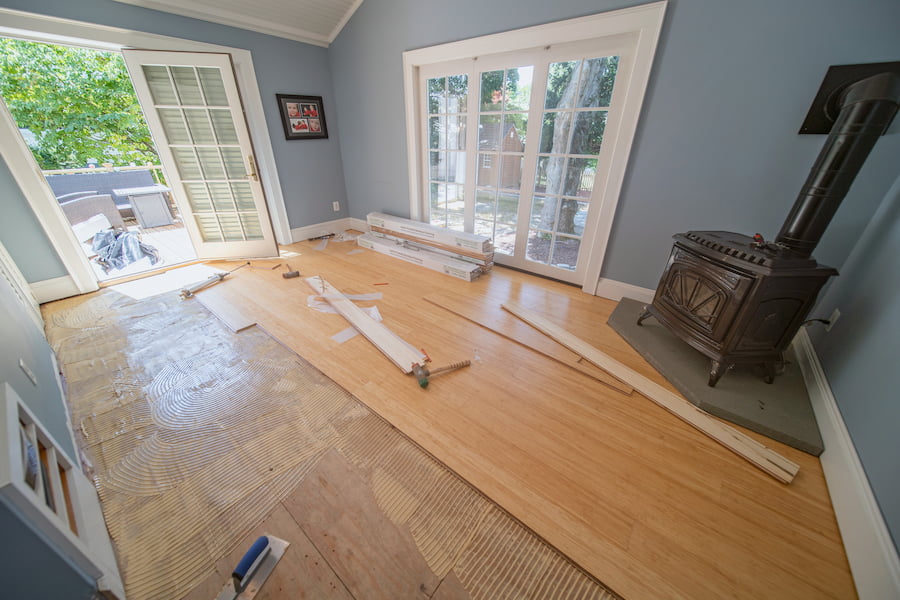
Hardwood moves with New England's damp. Boston’s interior air is humid in August and very dry once the heat comes on, and solid boards follow it, opening thin gaps in February and closing again by June. That much is normal. It is the extreme swings that cause the real damage, and they are designed out at installation, hence the moisture readings before anything is fastened. If you have been wondering about gaps in your floor, our guide to fixing wood floor gaps covers which ones are worth a call.
We refinish, install, and repair hardwood floors throughout Boston from our showroom on Boylston Street in Chestnut Hill, and we carry General Liability and Workers’ Compensation on all of it. Weles is accredited by the Better Business Bureau with an A+ rating, backs every project with a 3-year workmanship warranty, and can provide a list of 500+ past clients if you ask. Reviews are on Google, Houzz, Thumbtack, and Angi.
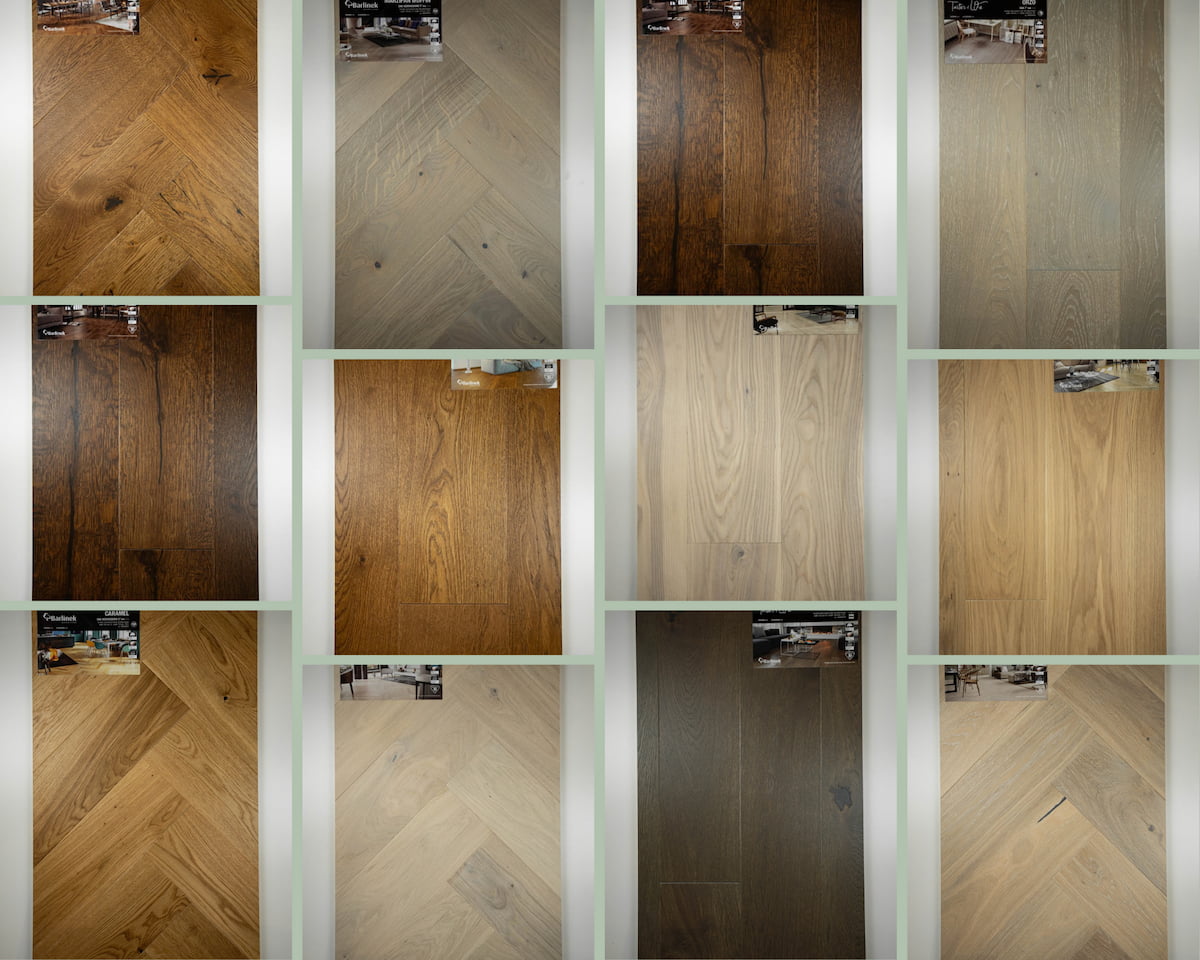
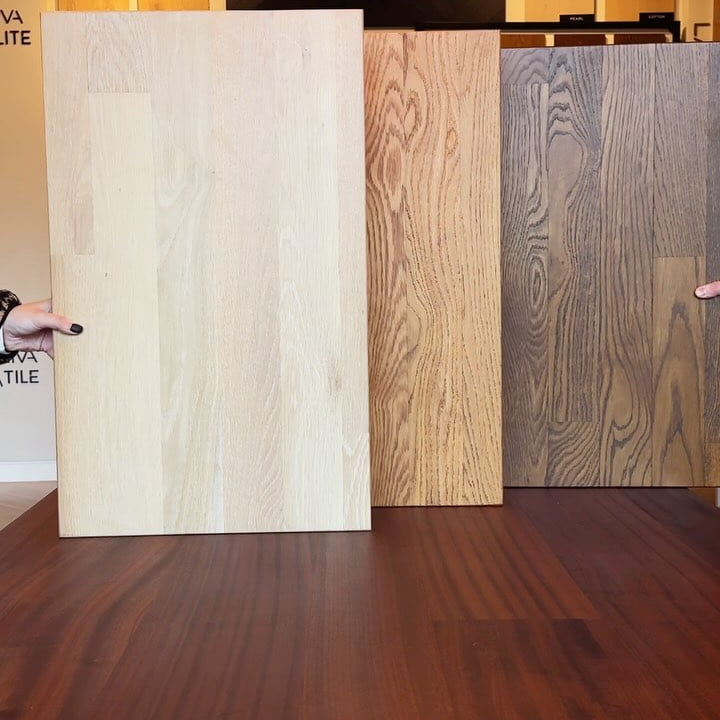
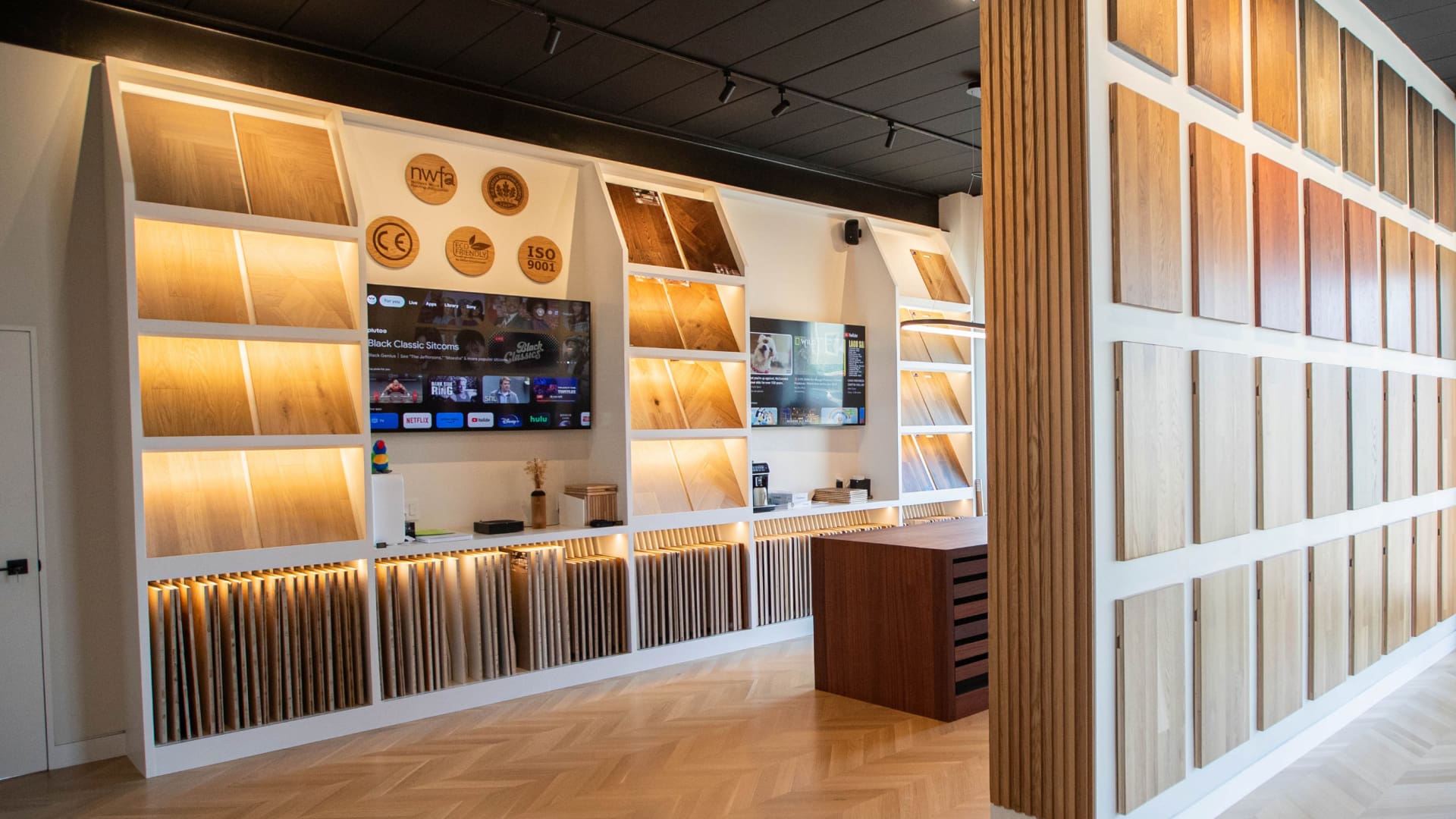
Boston hardwood floor refinishing is priced by the square foot, and our Boston refinishing cost guide breaks down what moves the number. To get a figure for your rooms, the online estimator uses square footage and the service type to give you a free estimate within one business day. 0% financing runs up to 12 months. See finished work in our portfolio, look at species and stains at the Chestnut Hill showroom, or call (617) 618-8395 any day of the week and reach a project manager.













 Long-term Investment
 Proper Installation
 Moisture Regulation
 Appropriate Underlayment